


ASIAN MENTAL HEALTH BLOG
Writing on Asian identity, family dynamics, and the work of becoming yourself.
Honest, specific, and written for 1.5 and 2nd generation Asian immigrants who are done with generic advice.
I write about the things my clients bring into sessions. The guilt that surfaces when you try to want something different. The anger that has been building for years without a name. The family dynamics that shaped you before you knew they were shaping you.
The topics are specific because the experiences are specific. If you have ever felt like mainstream mental health content was not really written for you, you are probably right. This is.

Why Self-Care Doesn’t Work When You’re Stuck in Survival Mode (7 Mistakes That Keep You Burned Out)
Self-care should help you feel better—but what if it doesn’t? If you feel stuck in survival mode, constantly overthinking, and still burned out despite doing all the “right” things, this might be why.

Why You Can’t Rest: How Trauma, Productivity, and the Model Minority Myth Lead to Burnout
Rest can feel uncomfortable or even impossible when your self worth has been shaped by productivity and achievement. This article explores how trauma, family expectations, and the model minority myth create chronic overdoing, and how learning to rest requires unlearning shame, urgency, and emotional avoidance.

Learned Helplessness in Immigrant Families: Why You Feel Stuck Even When Life Has Changed
Learned helplessness can develop when childhood environments repeatedly teach that effort does not change outcomes. For many children of immigrants, this shows up later in adulthood as difficulty taking action, tolerating discomfort, or believing that change is possible even when circumstances have improved.

Nice Guy Syndrome Explained: How People Pleasing Is a Trauma Response (Fawn Type)
People-pleasing is often misunderstood as a personality trait, but it is more accurately a survival response shaped by childhood dynamics. This article explores how the “nice guy” pattern develops through the fawn response in the nervous system, and why it continues into adult relationships. It breaks down how early family environments can disconnect someone from their authentic self, leading to cycles of approval seeking, resentment, and relational burnout. It also offers reflection prompts to help begin shifting out of this pattern and reconnecting with identity and needs.

Fear of Abandonment and Rejection: Why It Feels So Intense (and What to Do About It)
Fear of rejection and abandonment can feel overwhelming—but it’s not a flaw. This article explains the evolutionary and psychological roots of these fears, and how to start regulating them in your daily life.

Why Men Suppress Emotions (and Why Emotions Are Actually Rational)
Many men are taught to suppress their emotions—but emotions are not irrational. This article explores the evolutionary roots of emotions and why learning to understand them is key to better mental health and relationships.
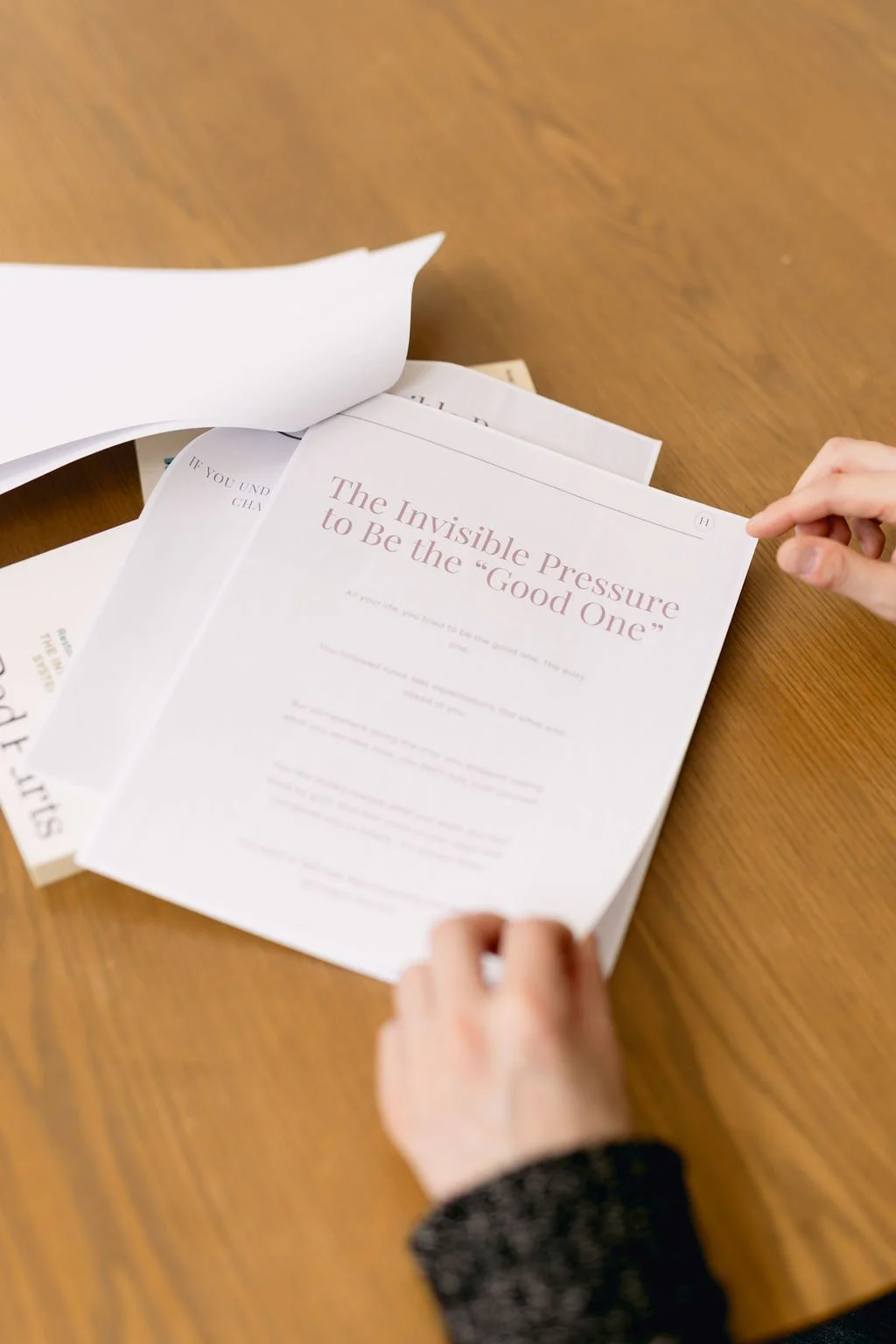
How to Regulate Your Nervous System: 8 Life Habits to Feel Calm and Grounded
Nervous system regulation is not about forcing yourself to be calm. It is about creating conditions where your body feels safer and more balanced. These are the daily habits that helped me feel more grounded, connected, and present in my body.
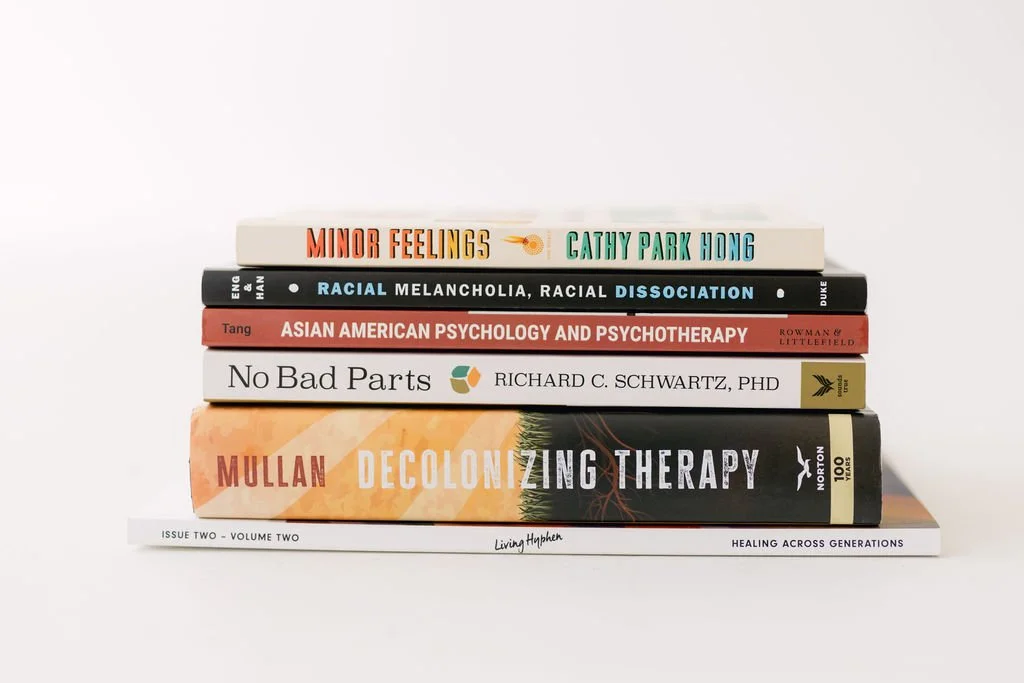
How to Cope with Loneliness: 8 Small Ways to Feel More Connected and Less Alone
Loneliness is not just about being alone. You can have people around you and still feel disconnected. These are the small practices that helped me build more connection, meaning, and comfort in my everyday life.

How to Reduce Mental Load: 8 Simple Ways to Stop Overthinking and Feel Less Overwhelmed
Feeling overwhelmed is not always about having too much to do. Sometimes it is about carrying too many decisions, responsibilities, and thoughts in your mind. These are the small changes that helped me reduce mental load, stop overthinking, and create more calm in my everyday life.

Mental Health Benefits of Journaling: How to Start When You Hate Journaling
Journaling can start as something you resist or avoid, but it often becomes a powerful tool for emotional clarity and regulation over time. This explores how journaling shifts from a task into a reflective practice that improves awareness, reduces avoidance, and supports mental health.

9 Stages of Journaling for Mental Health: How Emotional Processing Evolves Over Time
Journaling is not a fixed habit but a changing psychological tool that evolves with emotional growth. This outlines nine stages of journaling, from avoidance and venting to structured cognitive reflection and eventually intentional self awareness, showing how emotional processing deepens over time.

How Therapy Actually Works And Why You Shouldn’t “Just Trust the Process”
“Trust the process” can feel vague and frustrating. This breaks down how therapy actually works so you can build real trust based on understanding, not blind faith.
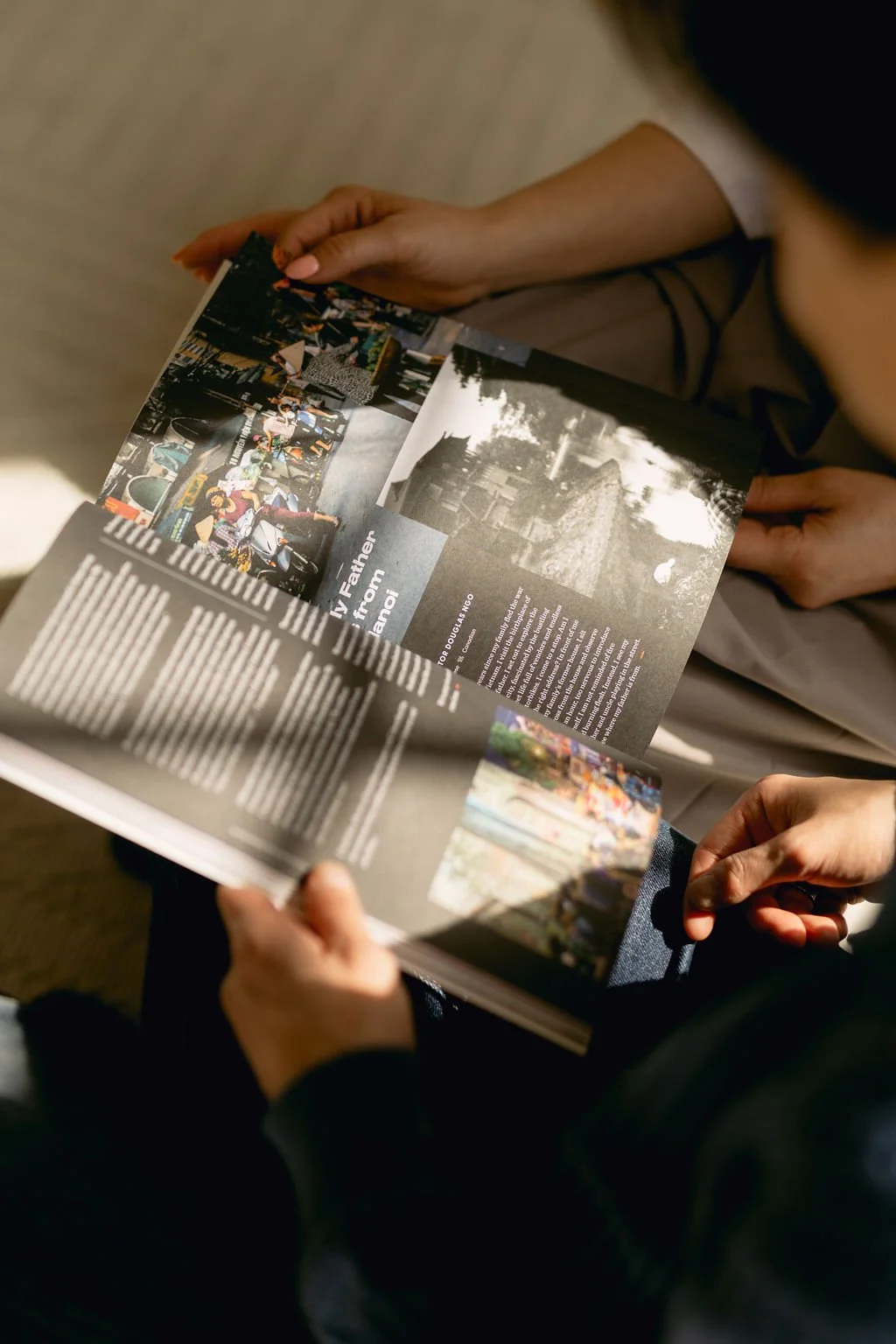
How to Improve Seasonal Affective Disorder Symptoms at Home: 5 Sensory and Environmental Strategies
Seasonal changes can impact mood, energy, and emotional regulation in ways that feel difficult to control. This article explores five practical, sensory based strategies to create a home environment that supports emotional stability and comfort during darker months.

Learned Helplessness From Trauma and How to Rebuild Personal Agency
Trauma can create a long lasting sense of helplessness that follows you into adulthood. This article explores learned helplessness, why self determination feels difficult, and how small intentional actions rebuild personal agency and emotional control over time.