
ASIAN MENTAL HEALTH BLOG
Writing on Asian identity, family dynamics, and the work of becoming yourself.
Honest, specific, and written for 1.5 and 2nd generation Asian immigrants who are done with generic advice.
I write about the things my clients bring into sessions. The guilt that surfaces when you try to want something different. The anger that has been building for years without a name. The family dynamics that shaped you before you knew they were shaping you.
The topics are specific because the experiences are specific. If you have ever felt like mainstream mental health content was not really written for you, you are probably right. This is.

Why You Can’t Rest: How Trauma, Productivity, and the Model Minority Myth Lead to Burnout
Rest can feel uncomfortable or even impossible when your self worth has been shaped by productivity and achievement. This article explores how trauma, family expectations, and the model minority myth create chronic overdoing, and how learning to rest requires unlearning shame, urgency, and emotional avoidance.

Learned Helplessness in Immigrant Families: Why You Feel Stuck Even When Life Has Changed
Learned helplessness can develop when childhood environments repeatedly teach that effort does not change outcomes. For many children of immigrants, this shows up later in adulthood as difficulty taking action, tolerating discomfort, or believing that change is possible even when circumstances have improved.

Nice Guy Syndrome Explained: How People Pleasing Is a Trauma Response (Fawn Type)
People-pleasing is often misunderstood as a personality trait, but it is more accurately a survival response shaped by childhood dynamics. This article explores how the “nice guy” pattern develops through the fawn response in the nervous system, and why it continues into adult relationships. It breaks down how early family environments can disconnect someone from their authentic self, leading to cycles of approval seeking, resentment, and relational burnout. It also offers reflection prompts to help begin shifting out of this pattern and reconnecting with identity and needs.

5 Hidden Costs of Ending Intergenerational Trauma in Asian Families (No One Talks About This)
Being the first person in your family to address intergenerational trauma is both transformative and deeply painful. This article explores the hidden emotional costs of change, including blame, shame, misunderstanding, and relational tension, and why healing often disrupts family systems before it creates lasting change.

Turning Red and Intergenerational Trauma: What the Film Gets Right About Asian Family Dynamics
Turning Red offers a powerful portrayal of emotional inheritance and mother daughter dynamics in Asian families. This explores what the film gets right and what it simplifies about intergenerational trauma, emotional suppression, and the slow process of change across generations.

Fear of Abandonment and Rejection: Why It Feels So Intense (and What to Do About It)
Fear of rejection and abandonment can feel overwhelming—but it’s not a flaw. This article explains the evolutionary and psychological roots of these fears, and how to start regulating them in your daily life.

Why Men Suppress Emotions (and Why Emotions Are Actually Rational)
Many men are taught to suppress their emotions—but emotions are not irrational. This article explores the evolutionary roots of emotions and why learning to understand them is key to better mental health and relationships.

Asian Mental Health Stigma Is Real But Racism Plays a Bigger Role
Mental health stigma in Asian communities is often blamed for everything. This post challenges that narrative by exploring how racism and structural oppression shape mental health in deeper ways.
Why You Can’t Change Your Life Even When You Want To: Understanding Learned Helplessness and Feeling Stuck
When anxiety and burnout keep you stuck in the same patterns, hope can feel out of reach. This explores how small changes can rebuild momentum and emotional resilience.

The Model Minority Myth: How It Impacts Asian Mental Health, Identity, and Self-Worth
The Model Minority Myth affects more than how Asian communities are viewed. It can shape our identity, self-worth, perfectionism, and mental health. Learn how this stereotype impacts Asian Canadians and how to define yourself beyond achievement.

Why Good Therapists Do Their Own Healing Work: What Clients Should Know About Therapy
Many people worry about whether their therapist is “qualified enough” or emotionally stable enough to help them. This post explores why good therapists actively engage in their own healing work, how this supports client care, and why therapy is ultimately a human relational process rather than a one sided expert dynamic.
Asian Identity in Canada: Why There Is No “Right Way” to Be Asian
Many Asian Canadians grow up feeling pressure to define their identity through external expectations such as cultural authenticity or assimilation. This post explores how identity is shaped by personal experience, systemic racism, and cultural expectations, and why there is no single correct way to be Asian.

FOB vs Banana Labels: Why Asian Identity Is More Complex Than Either Category
Identity labels like FOB and “banana” force a false binary on Asian identity that does not reflect lived experience. Many second generation Asians exist in between and beyond these categories, and real psychological health comes from moving past external labels toward a more flexible and self defined sense of identity.

Anti-Black Racism in Asian Communities: Why It Matters for Your Own Healing
Many Asian Canadians grow up disconnected from the history of racism. This post explores how anti-Black racism and internalized racism are connected, and why understanding both is essential for healing and self-awareness.

How Asian Canadians Navigate Racism, Privilege, and Solidarity
Asian Canadians often navigate both racism and privilege in complex ways. This explores how understanding these experiences can deepen empathy, identity, and connection across communities.

How Therapy Actually Works And Why You Shouldn’t “Just Trust the Process”
“Trust the process” can feel vague and frustrating. This breaks down how therapy actually works so you can build real trust based on understanding, not blind faith.
What Internalized Racism Looks Like for Asian Canadians And How to Heal It
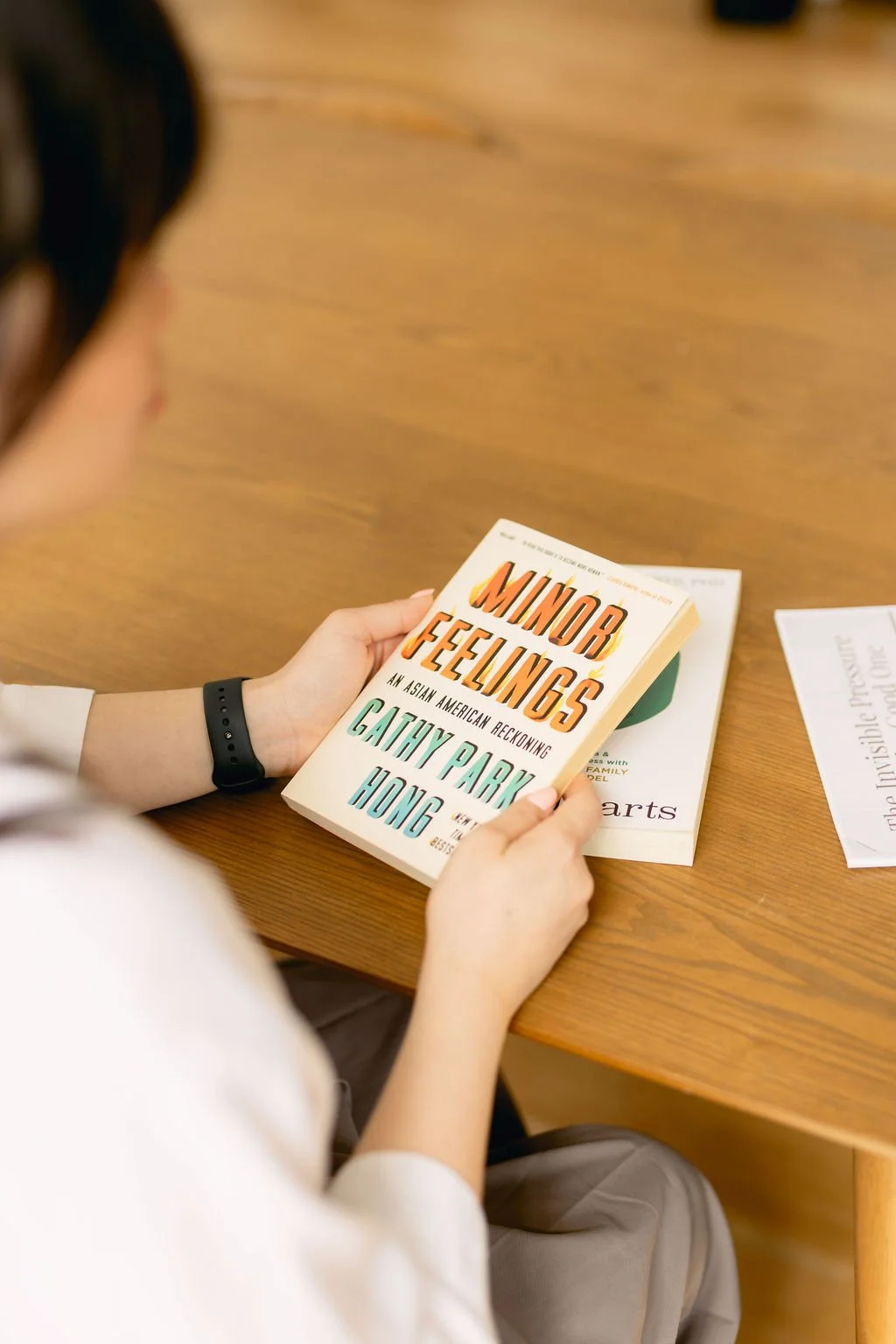
Internalized racism can quietly shape how you see yourself and others. This explores how it shows up in everyday thoughts, and how reflection can help you begin to heal.

How Immigrant Families Pass Down Identity, Trauma, and Meaning
From family traditions to shared memories, immigrant experiences shape identity in ways we don’t always recognize. This explores how meaning, trauma, and connection are passed across generations.

How to Talk About Racism in Therapy Without Feeling Stuck or Powerless
Understanding racism can be validating—but it can also leave you feeling stuck. This article explores how to acknowledge structural racism while still focusing on your own healing, growth, and sense of control.

Why It Feels So Hard to Spend Money on Yourself as an Asian Immigrant or Second Generation Adult
Many second generation Asian immigrants struggle with spending money on themselves, even when financially stable. This article explores how scarcity mindset, cultural guilt, and early family conditioning shape emotional patterns around money and self worth.