

ASIAN MENTAL HEALTH BLOG
Writing on Asian identity, family dynamics, and the work of becoming yourself.
Honest, specific, and written for 1.5 and 2nd generation Asian immigrants who are done with generic advice.
I write about the things my clients bring into sessions. The guilt that surfaces when you try to want something different. The anger that has been building for years without a name. The family dynamics that shaped you before you knew they were shaping you.
The topics are specific because the experiences are specific. If you have ever felt like mainstream mental health content was not really written for you, you are probably right. This is.
Why You Can’t Slow Down: Burnout, Self-Care, and the Pressure to Always Be Productive
You know you need rest, but slowing down feels uncomfortable. Instead of recharging, you feel guilty, anxious, or like you should be doing more. This article explores why burnout is not just about doing too much, but about deeper patterns shaped by upbringing, culture, and self-worth and how to start building a healthier relationship with rest and self-care.

How to Rewire Your Inner Critic (Reparenting After Childhood Trauma)
If your inner voice is harsh, critical, or never satisfied, it may have been shaped by childhood experiences you didn’t choose. This article breaks down how trauma influences your inner critic and how reparenting can help you build a more supportive and grounded relationship with yourself.
Why You Can’t Change Your Life Even When You Want To: Understanding Learned Helplessness and Feeling Stuck
When anxiety and burnout keep you stuck in the same patterns, hope can feel out of reach. This explores how small changes can rebuild momentum and emotional resilience.
How to Regulate Your Nervous System: 8 Life Habits to Feel Calm and Grounded
Nervous system regulation is not about forcing yourself to be calm. It is about creating conditions where your body feels safer and more balanced. These are the daily habits that helped me feel more grounded, connected, and present in my body.

How to Reduce Mental Load: 8 Simple Ways to Stop Overthinking and Feel Less Overwhelmed
Feeling overwhelmed is not always about having too much to do. Sometimes it is about carrying too many decisions, responsibilities, and thoughts in your mind. These are the small changes that helped me reduce mental load, stop overthinking, and create more calm in my everyday life.

Why Good Therapists Do Their Own Healing Work: What Clients Should Know About Therapy
Many people worry about whether their therapist is “qualified enough” or emotionally stable enough to help them. This post explores why good therapists actively engage in their own healing work, how this supports client care, and why therapy is ultimately a human relational process rather than a one sided expert dynamic.

Mental Health Benefits of Journaling: How to Start When You Hate Journaling
Journaling can start as something you resist or avoid, but it often becomes a powerful tool for emotional clarity and regulation over time. This explores how journaling shifts from a task into a reflective practice that improves awareness, reduces avoidance, and supports mental health.

9 Stages of Journaling for Mental Health: How Emotional Processing Evolves Over Time
Journaling is not a fixed habit but a changing psychological tool that evolves with emotional growth. This outlines nine stages of journaling, from avoidance and venting to structured cognitive reflection and eventually intentional self awareness, showing how emotional processing deepens over time.

How to Let Go of Perfectionism and Enjoy Reading Again
Struggling to read without feeling pressure to finish everything perfectly? This post breaks down how perfectionism kills motivation and how to build a more flexible, enjoyable relationship with reading.

How Asian Canadians Navigate Racism, Privilege, and Solidarity
Asian Canadians often navigate both racism and privilege in complex ways. This explores how understanding these experiences can deepen empathy, identity, and connection across communities.

How Therapy Actually Works And Why You Shouldn’t “Just Trust the Process”
“Trust the process” can feel vague and frustrating. This breaks down how therapy actually works so you can build real trust based on understanding, not blind faith.

Why Authenticity Matters in Therapy And How It Helps You Open Up
A behind-the-scenes look at how authenticity in therapy builds trust, deepens conversations, and helps clients feel safe enough to truly open up.

Why Therapists Don’t Always Call Out Harmful Language (And What Actually Helps)
Exploring why therapists don’t always challenge harmful language right away, and how trust, trauma, and timing play a deeper role in real healing.

What Sports Reveal About Your Psychology: Ego, Codependency, and Fear of Failure in Performance
Sports often reveal psychological patterns we do not notice in daily life. This article explores how fear of being selfish, codependent tendencies, and avoidance of failure can show up in competitive play and reflect deeper relational patterns.

Learned Helplessness From Trauma and How to Rebuild Personal Agency
Trauma can create a long lasting sense of helplessness that follows you into adulthood. This article explores learned helplessness, why self determination feels difficult, and how small intentional actions rebuild personal agency and emotional control over time.
What Your Fantasies Reveal About Trauma, Identity, and Emotional Healing in Asian diaspora
Your inner fantasies are not random. They often reflect unmet emotional needs, identity formation, and early relational experiences. This article explores how imagination can reveal patterns of trauma, masculinity, and healing across different stages of emotional development.

Healing from Trauma: Why Your Life Is Not wasted and You Are Entering Your “Second Prime”
Healing from trauma often comes with grief for lost time, missed opportunities, and versions of life that never happened. This article reframes that experience by exploring how recovery is not a return to a “first prime,” but the beginning of a new developmental stage where agency, self-awareness, and emotional clarity deepen over time. It covers how grief, inner child healing, and intentional self-care practices can help rebuild a sense of meaning and forward momentum. The focus is on reclaiming the present while integrating the past without being defined by it.
Workplace Bullying and Trauma: How People-Pleasing Leads to Powerlessness and Reclaiming Your Voice
Workplace bullying often does not begin with overt conflict, but with subtle patterns of people pleasing, fear of disapproval, and internalized powerlessness. This article describes how these dynamics can develop in professional environments and how trauma responses from earlier life experiences can shape workplace behaviour. It follows a real case example of shifting from approval seeking to internal authority, and explores how healing involves rebuilding a sense of agency, boundaries, and self-trust in relational power dynamics.

The Lonely Marathon: A Poem About Loneliness, Connection, and Emotional Survival
A reflective poem exploring loneliness, emotional endurance, and the quiet shared experience of human suffering. It moves through isolation and self perception toward the realization that emotional pain is often shared rather than solitary.
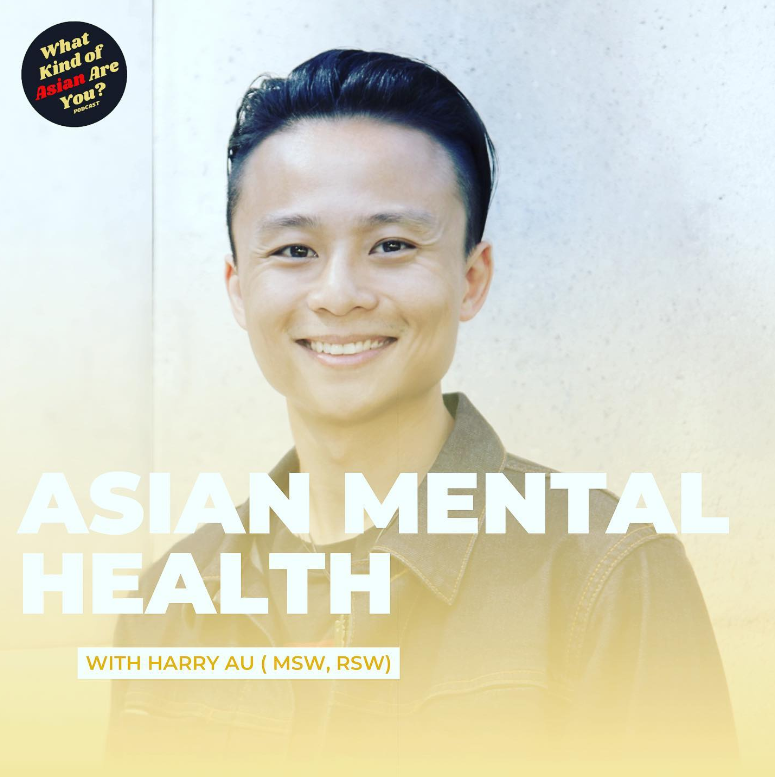
Asian Mental Health: Understanding the Experiences of Asian Canadians in Therapy
Asian Canadians often navigate unique experiences related to culture, family expectations, identity, and emotional wellbeing. In this podcast conversation, Harry Au discusses Asian mental health, therapy, and the challenges many Asians in the diaspora face when seeking support