

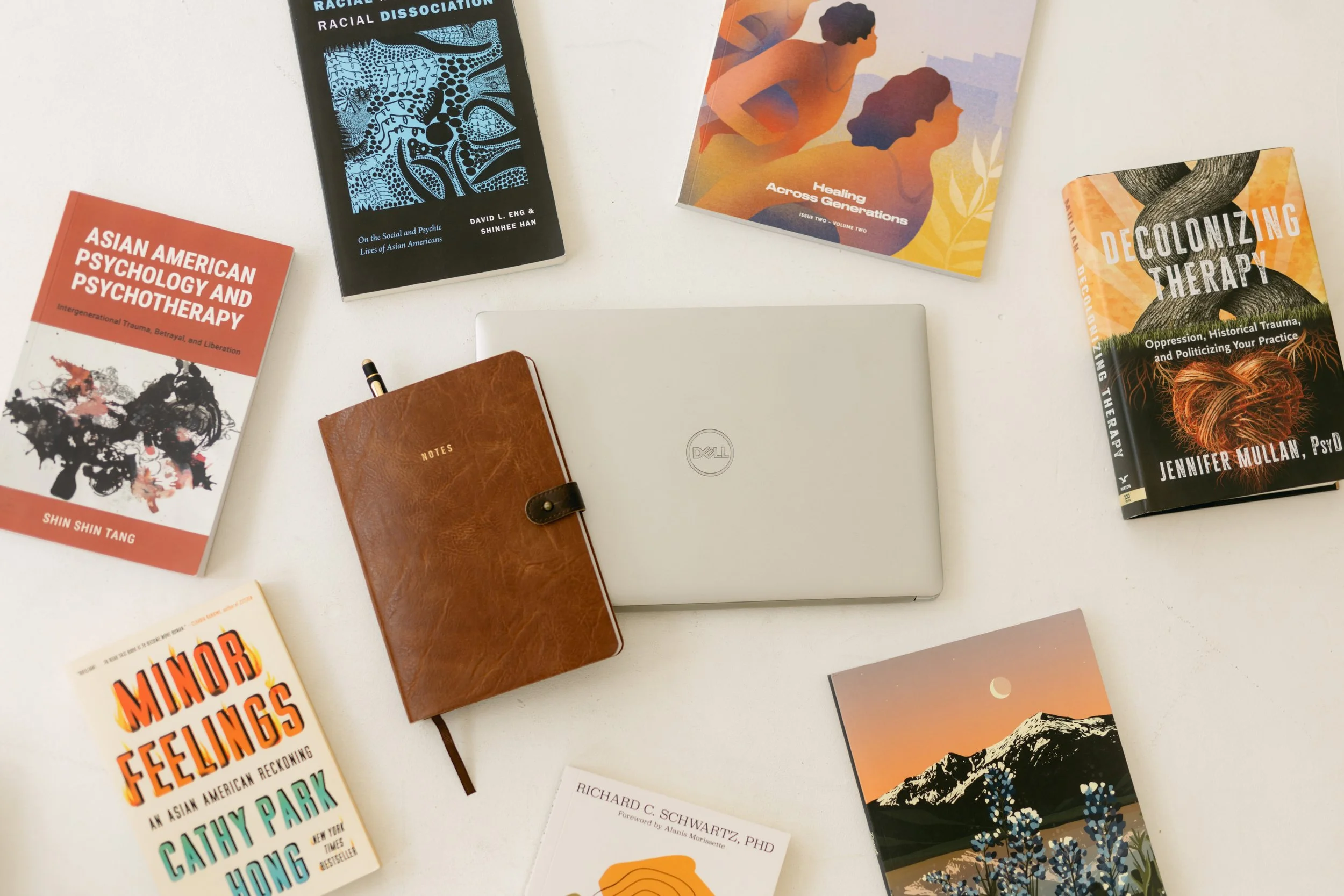
ASIAN MENTAL HEALTH BLOG
Writing on Asian identity, family dynamics, and the work of becoming yourself.
Honest, specific, and written for 1.5 and 2nd generation Asian immigrants who are done with generic advice.
I write about the things my clients bring into sessions. The guilt that surfaces when you try to want something different. The anger that has been building for years without a name. The family dynamics that shaped you before you knew they were shaping you.
The topics are specific because the experiences are specific. If you have ever felt like mainstream mental health content was not really written for you, you are probably right. This is.

Why You Overthink When Socializing: How Cultural Hierarchy Can Fuel Social Anxiety
Socializing can become exhausting when you are constantly trying to figure out how you are supposed to act around other people. For many Asian Canadians, cultural expectations around hierarchy, respect, and social roles can contribute to social anxiety and overthinking.

Why You Self-Sacrifice in Relationships and Why it Feels Like Love: Filial Piety and Emotional Neglect in Asian Families
Filial piety often teaches you to prioritize your family over yourself, but over time, that can turn into guilt, people-pleasing, and difficulty setting boundaries. This article explores how self-sacrifice in Asian families shapes your relationships and why it’s so hard to choose yourself without feeling like you’re doing something wrong.
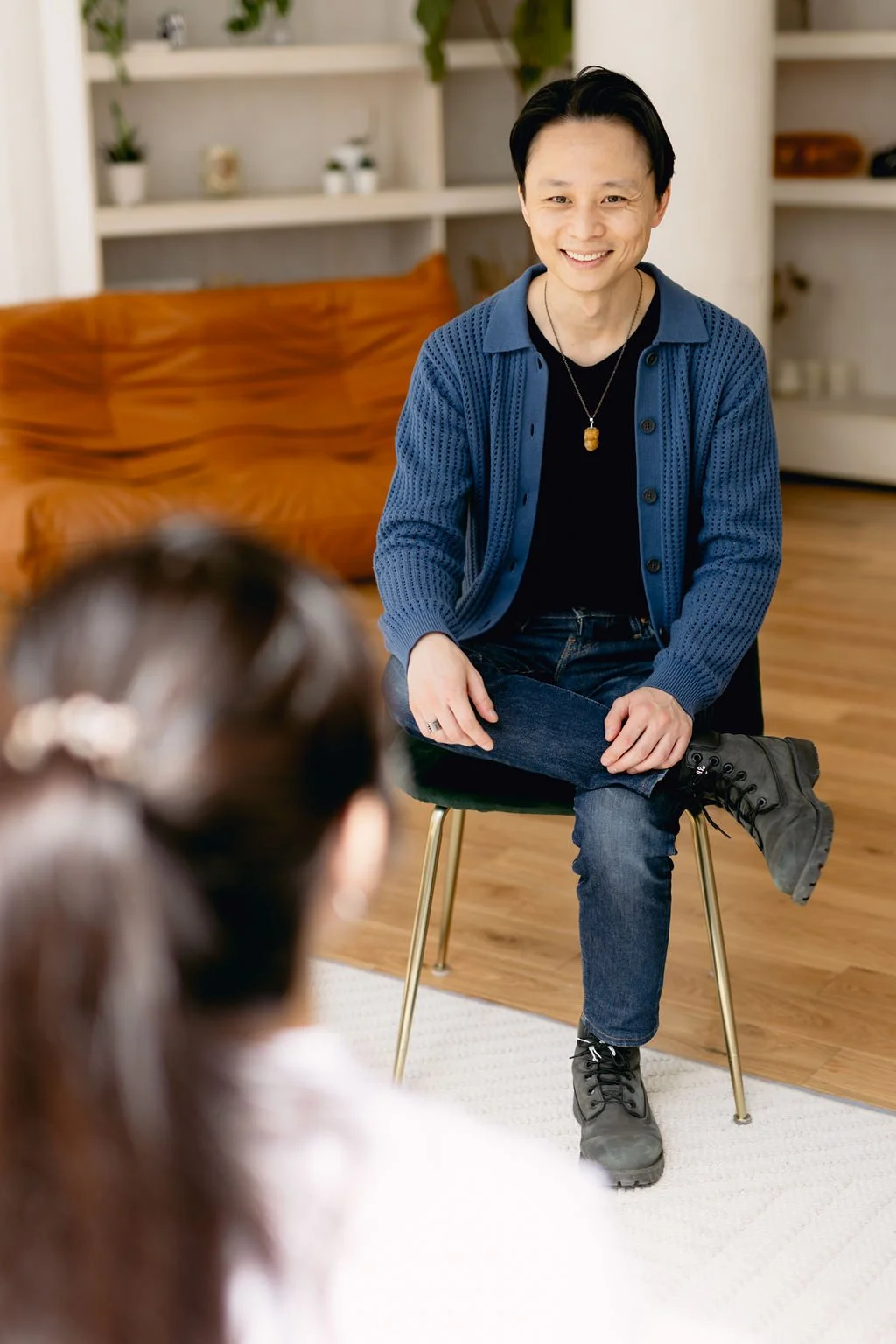
4 Warning Signs Your Therapist Doesn’t Understand Your Culture
Not all therapy is culturally safe, and misunderstandings about identity can significantly impact trust, safety, and outcomes in treatment. This article outlines common signs that a therapist may be relying on stereotypes, oversimplified cultural assumptions, or deficit-based thinking when working with Asian clients. It also explores the complexity of cultural identity and why true cultural competence requires curiosity, flexibility, and an understanding of systemic forces rather than assumptions or generalizations.
Asian Identity in Canada: Why There Is No “Right Way” to Be Asian
Many Asian Canadians grow up feeling pressure to define their identity through external expectations such as cultural authenticity or assimilation. This post explores how identity is shaped by personal experience, systemic racism, and cultural expectations, and why there is no single correct way to be Asian.

FOB vs Banana Labels: Why Asian Identity Is More Complex Than Either Category
Identity labels like FOB and “banana” force a false binary on Asian identity that does not reflect lived experience. Many second generation Asians exist in between and beyond these categories, and real psychological health comes from moving past external labels toward a more flexible and self defined sense of identity.
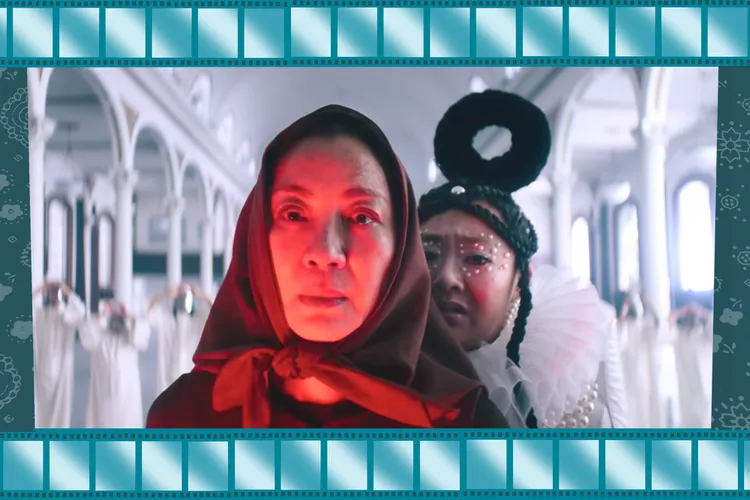
Everything Everywhere All at Once and the Immigrant Parent Child Relationship: Exploring Cultural Expectations and Family Dynamics
Everything Everywhere All at Once highlights many themes familiar to children of immigrants, including family expectations, cultural differences, sacrifice, and identity. I was featured in this VeryWell Mind article, where I share my perspective on immigrant parent-child relationships and the mental health experiences that shape Asian families.
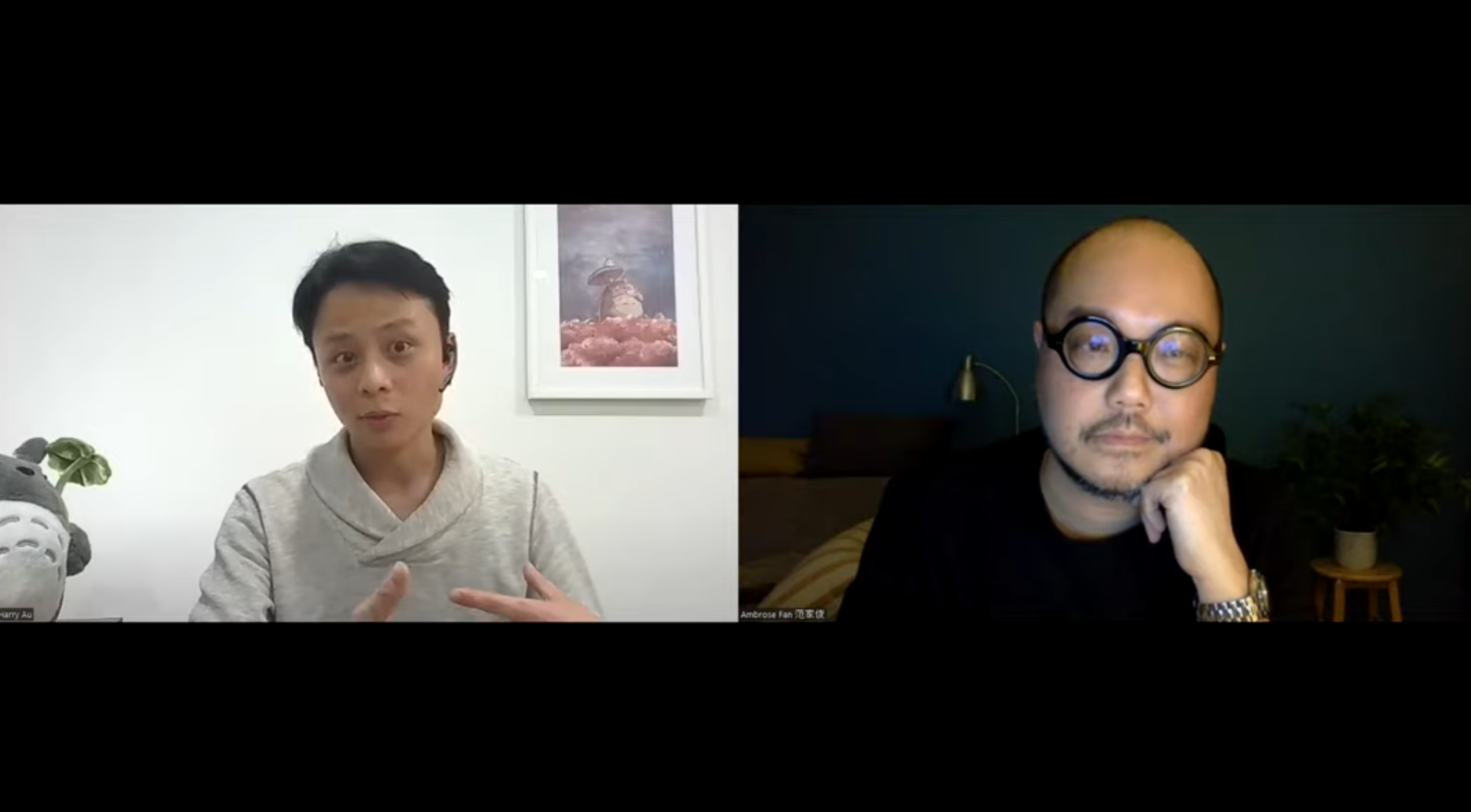
Asian Immigrant Mental Health: Understanding Shame, Filial Piety, and Intergenerational Trauma
Asian immigrant mental health is shaped by more than individual experiences. In this panel discussion, Harry Au explores intergenerational trauma, shame, filial piety, family expectations, and the experiences that influence mental health in Asian communities
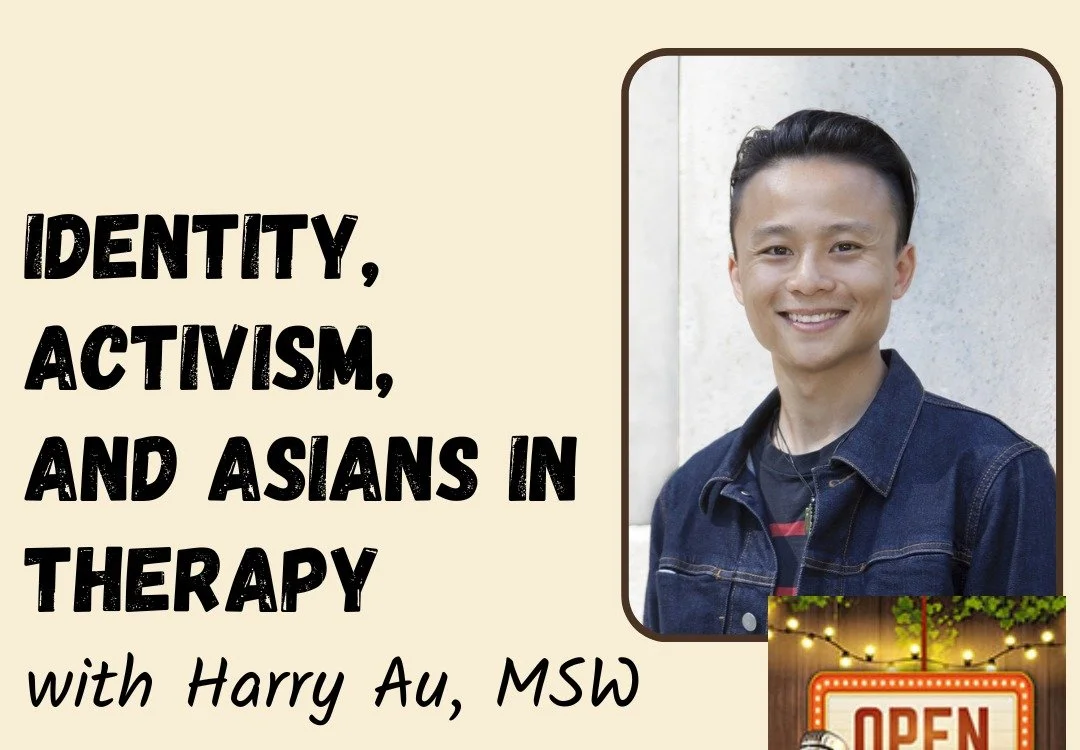
Identity, Activism, and Asian Mental Health: Navigating Culture, Expectations, and Finding Your Own Path
Many Asian Canadians navigate the tension between cultural expectations, community responsibility, and the desire to live an authentic life. In this podcast conversation, I explore Asian identity, activism, the model minority myth, and how these experiences shape mental health, belonging, and personal freedom
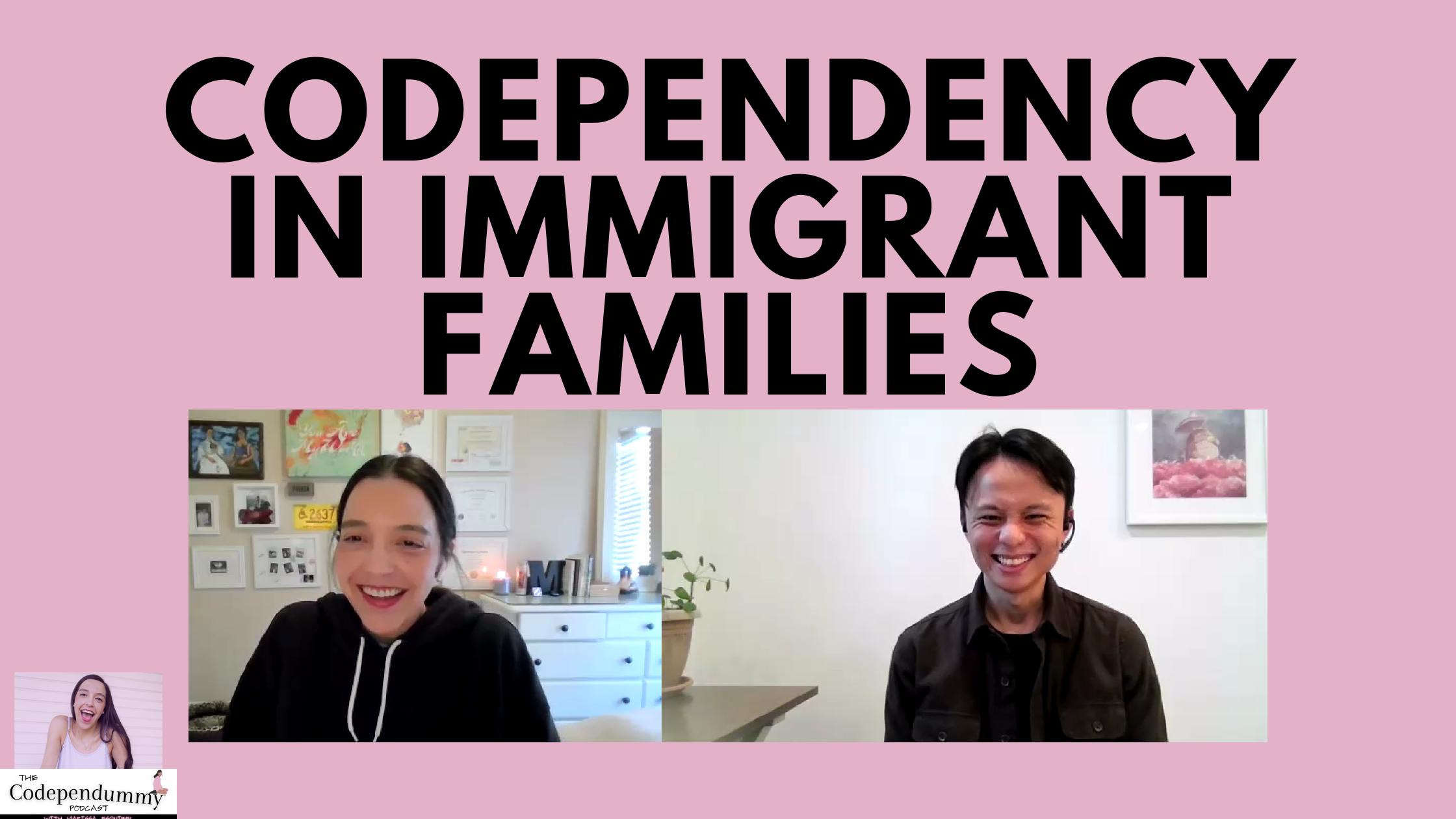
Codependency in Asian Immigrant Families: A Conversation With Harry Au
Many adult children of Asian immigrant families struggle with guilt, boundaries, and feeling responsible for their family’s emotions. In this podcast conversation, I explore how immigrant family dynamics can contribute to codependent patterns and how adult children can create healthier relationships while honoring their cultural values.