


ASIAN MENTAL HEALTH BLOG
Writing on Asian identity, family dynamics, and the work of becoming yourself.
Honest, specific, and written for 1.5 and 2nd generation Asian immigrants who are done with generic advice.
I write about the things my clients bring into sessions. The guilt that surfaces when you try to want something different. The anger that has been building for years without a name. The family dynamics that shaped you before you knew they were shaping you.
The topics are specific because the experiences are specific. If you have ever felt like mainstream mental health content was not really written for you, you are probably right. This is.
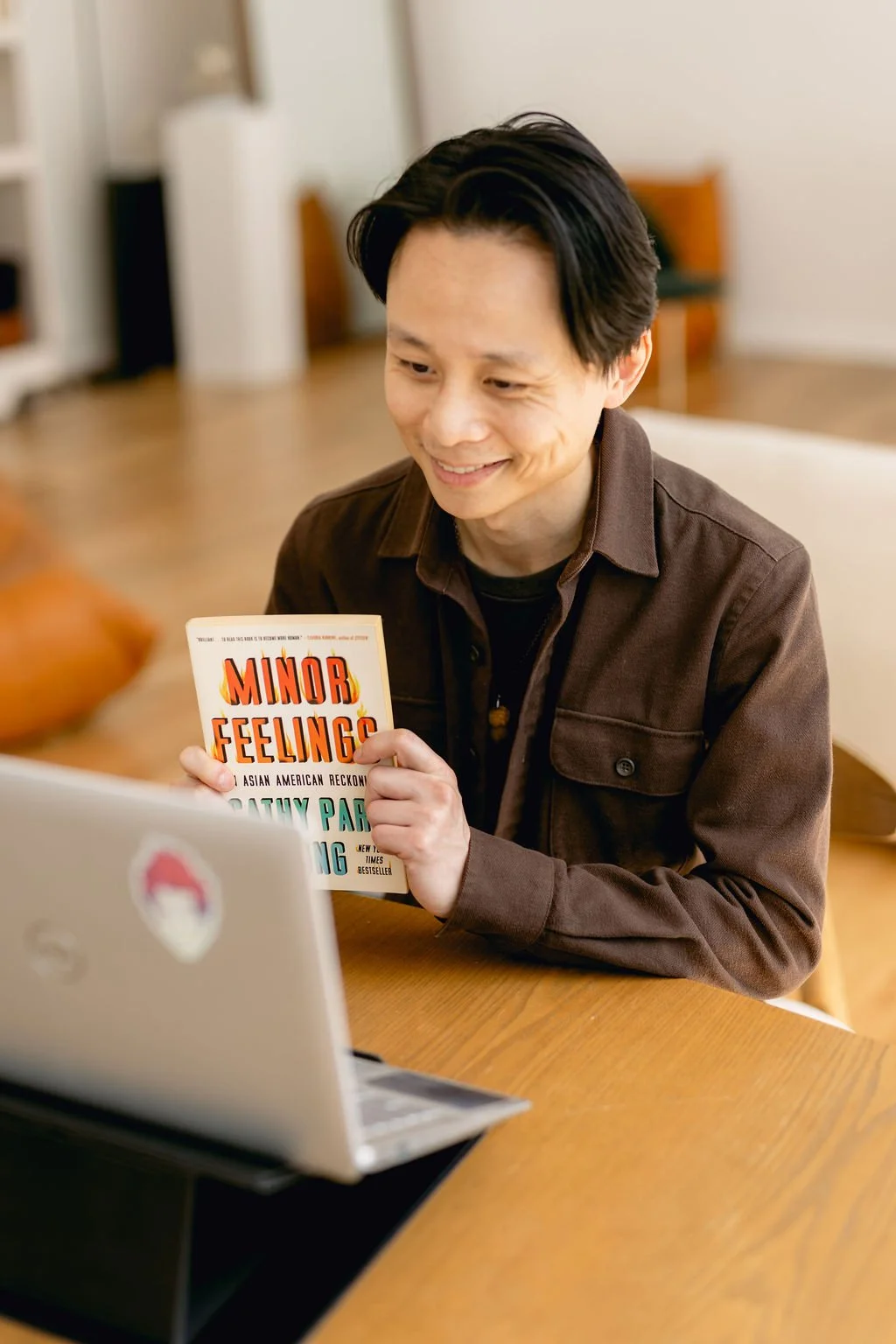
Why You Can’t Slow Down: Burnout, Self-Care, and the Pressure to Always Be Productive
You know you need rest, but slowing down feels uncomfortable. Instead of recharging, you feel guilty, anxious, or like you should be doing more. This article explores why burnout is not just about doing too much, but about deeper patterns shaped by upbringing, culture, and self-worth and how to start building a healthier relationship with rest and self-care.

Asian Perfectionism: Why You Feel the Pressure to Be Perfect (and How to Heal)
Many Asian Canadians struggle with perfectionism, people-pleasing, and never feeling “good enough.” This article explores the cultural, family, and emotional roots of perfectionism—and how to begin healing from it.

Learned Helplessness in Immigrant Families: Why You Feel Stuck Even When Life Has Changed
Learned helplessness can develop when childhood environments repeatedly teach that effort does not change outcomes. For many children of immigrants, this shows up later in adulthood as difficulty taking action, tolerating discomfort, or believing that change is possible even when circumstances have improved.

5 Hidden Costs of Ending Intergenerational Trauma in Asian Families (No One Talks About This)
Being the first person in your family to address intergenerational trauma is both transformative and deeply painful. This article explores the hidden emotional costs of change, including blame, shame, misunderstanding, and relational tension, and why healing often disrupts family systems before it creates lasting change.

Turning Red and Intergenerational Trauma: What the Film Gets Right About Asian Family Dynamics
Turning Red offers a powerful portrayal of emotional inheritance and mother daughter dynamics in Asian families. This explores what the film gets right and what it simplifies about intergenerational trauma, emotional suppression, and the slow process of change across generations.
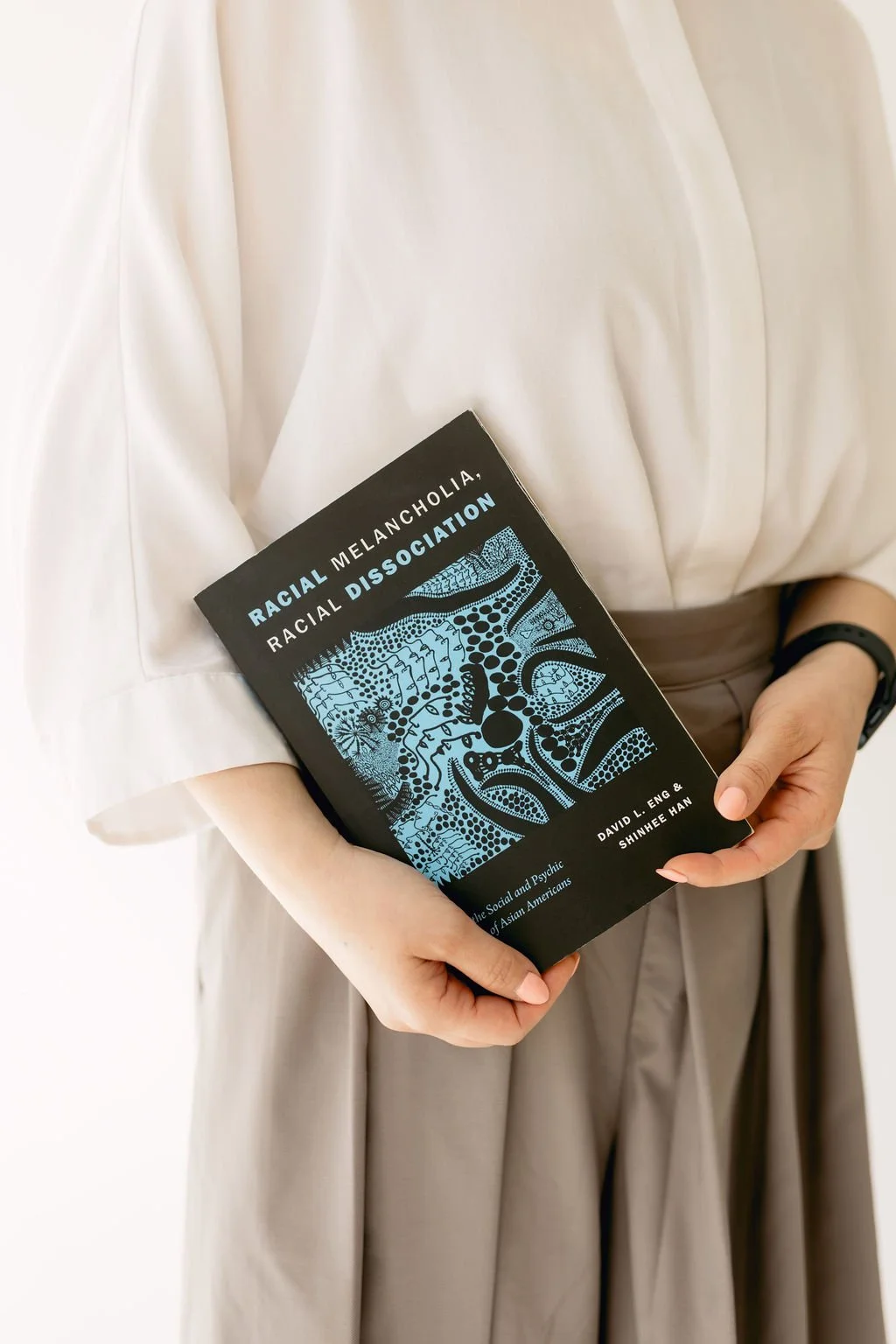
Why You Overthink Conversations After They Happen And How Childhood Patterns Keep It Going
Do you replay conversations in your head and wonder if you said the wrong thing? Overthinking conversations is often connected to deeper patterns shaped by childhood experiences, family dynamics, and the pressure to avoid mistakes. Learn why your mind does this and how to build a healthier relationship with yourself and others.

Signs You Grew Up With Emotional Neglect (in Asian Immigrant Families)
Emotional neglect does not always look like obvious trauma. Many people grow up with loving parents who provided food, shelter, and education, yet still struggle with feeling disconnected, unsupported, or unsure of their own emotions. Learn how childhood emotional neglect develops, why it is common in Asian immigrant families, and how it impacts anxiety, relationships, self worth, and emotional connection in adulthood.

Why You Self-Sacrifice in Relationships and Why it Feels Like Love: Filial Piety and Emotional Neglect in Asian Families
Filial piety often teaches you to prioritize your family over yourself, but over time, that can turn into guilt, people-pleasing, and difficulty setting boundaries. This article explores how self-sacrifice in Asian families shapes your relationships and why it’s so hard to choose yourself without feeling like you’re doing something wrong.
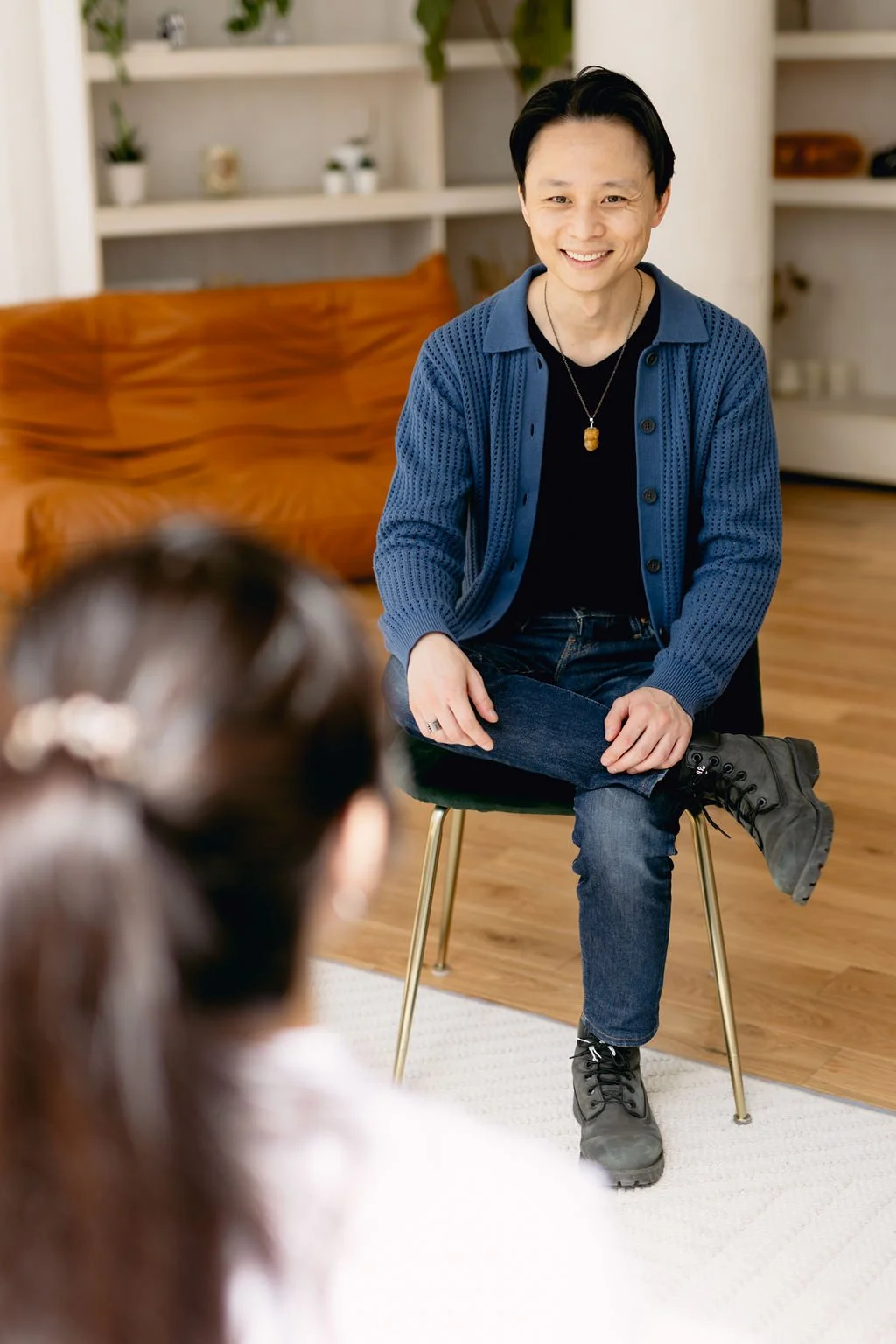
4 Warning Signs Your Therapist Doesn’t Understand Your Culture
Not all therapy is culturally safe, and misunderstandings about identity can significantly impact trust, safety, and outcomes in treatment. This article outlines common signs that a therapist may be relying on stereotypes, oversimplified cultural assumptions, or deficit-based thinking when working with Asian clients. It also explores the complexity of cultural identity and why true cultural competence requires curiosity, flexibility, and an understanding of systemic forces rather than assumptions or generalizations.

The Model Minority Myth: How It Impacts Asian Mental Health, Identity, and Self-Worth
The Model Minority Myth affects more than how Asian communities are viewed. It can shape our identity, self-worth, perfectionism, and mental health. Learn how this stereotype impacts Asian Canadians and how to define yourself beyond achievement.

Asian Identity in Canada: Why There Is No “Right Way” to Be Asian
Many Asian Canadians grow up feeling pressure to define their identity through external expectations such as cultural authenticity or assimilation. This post explores how identity is shaped by personal experience, systemic racism, and cultural expectations, and why there is no single correct way to be Asian.

FOB vs Banana Labels: Why Asian Identity Is More Complex Than Either Category
Identity labels like FOB and “banana” force a false binary on Asian identity that does not reflect lived experience. Many second generation Asians exist in between and beyond these categories, and real psychological health comes from moving past external labels toward a more flexible and self defined sense of identity.

How Immigrant Families Pass Down Identity, Trauma, and Meaning
From family traditions to shared memories, immigrant experiences shape identity in ways we don’t always recognize. This explores how meaning, trauma, and connection are passed across generations.

How Perfectionism and Fear Make You Productive but Not Fulfilled
You can be productive, efficient, and still feel unfulfilled. This explores how perfectionism, fear, and cultural pressure can keep you busy but disconnected from what actually matters.

Why It Feels So Hard to Spend Money on Yourself as an Asian Immigrant or Second Generation Adult
Many second generation Asian immigrants struggle with spending money on themselves, even when financially stable. This article explores how scarcity mindset, cultural guilt, and early family conditioning shape emotional patterns around money and self worth.
How to Improve Seasonal Affective Disorder Symptoms at Home: 5 Sensory and Environmental Strategies
Seasonal changes can impact mood, energy, and emotional regulation in ways that feel difficult to control. This article explores five practical, sensory based strategies to create a home environment that supports emotional stability and comfort during darker months.

10 Mental Health Strategies for Surviving Family Gatherings When You Dread the Holidays
Family gatherings can be emotionally complex, especially when relationships are strained. This practical guide offers strategies for navigating holidays with more safety and intention, including boundary setting, exit plans, emotional preparation, and ways to protect your mental health while staying connected on your own terms.

Everything Everywhere All at Once and the Immigrant Parent Child Relationship: Exploring Cultural Expectations and Family Dynamics
Everything Everywhere All at Once highlights many themes familiar to children of immigrants, including family expectations, cultural differences, sacrifice, and identity. I was featured in this VeryWell Mind article, where I share my perspective on immigrant parent-child relationships and the mental health experiences that shape Asian families.
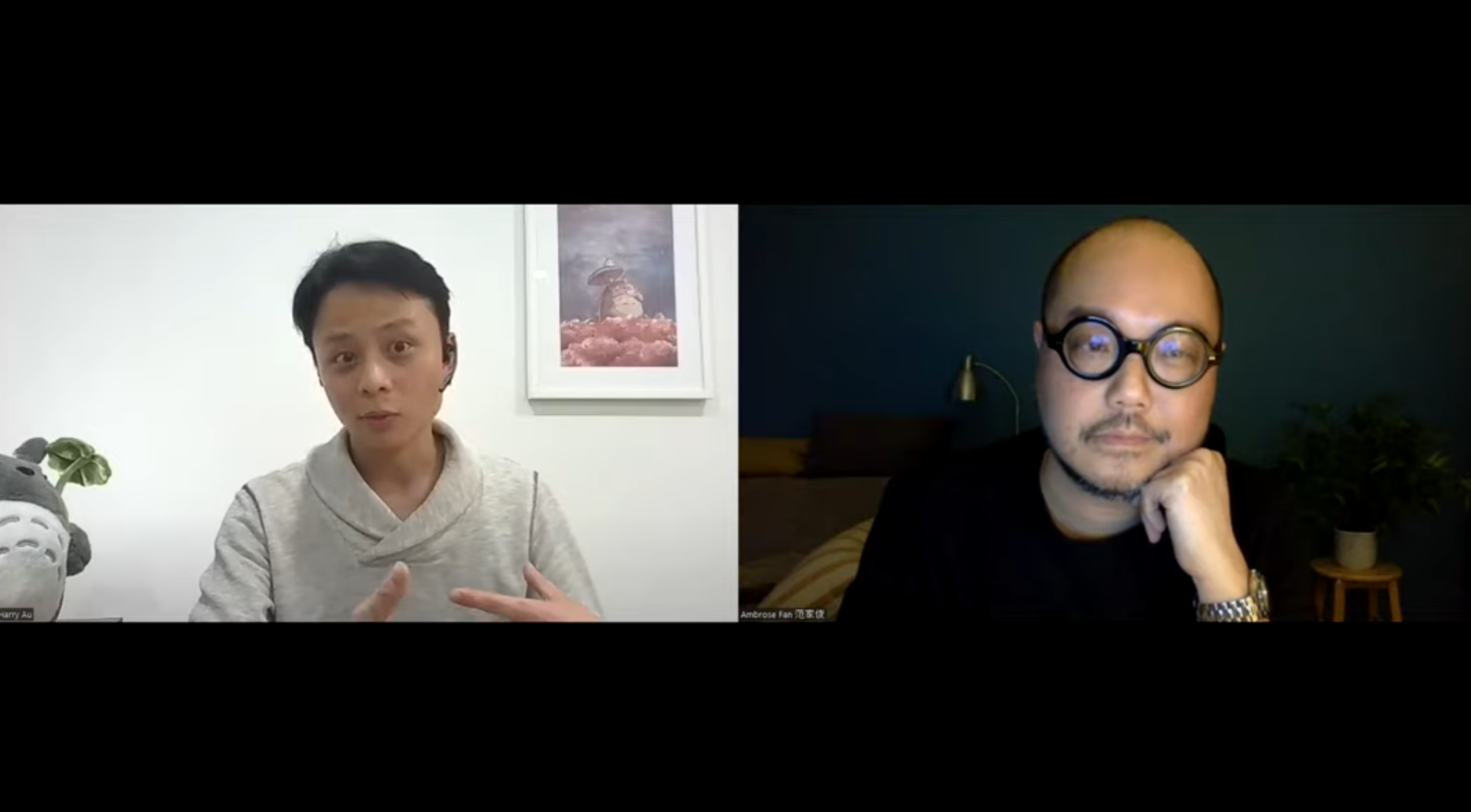
Asian Immigrant Mental Health: Understanding Shame, Filial Piety, and Intergenerational Trauma
Asian immigrant mental health is shaped by more than individual experiences. In this panel discussion, Harry Au explores intergenerational trauma, shame, filial piety, family expectations, and the experiences that influence mental health in Asian communities
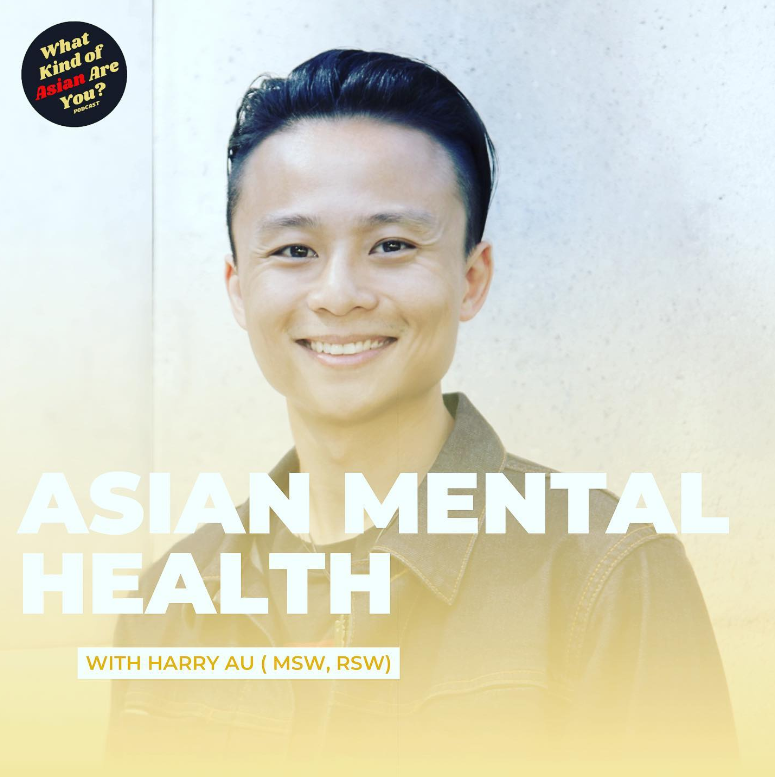
Asian Mental Health: Understanding the Experiences of Asian Canadians in Therapy
Asian Canadians often navigate unique experiences related to culture, family expectations, identity, and emotional wellbeing. In this podcast conversation, Harry Au discusses Asian mental health, therapy, and the challenges many Asians in the diaspora face when seeking support