


ASIAN MENTAL HEALTH BLOG
Writing on Asian identity, family dynamics, and the work of becoming yourself.
Honest, specific, and written for 1.5 and 2nd generation Asian immigrants who are done with generic advice.
I write about the things my clients bring into sessions. The guilt that surfaces when you try to want something different. The anger that has been building for years without a name. The family dynamics that shaped you before you knew they were shaping you.
The topics are specific because the experiences are specific. If you have ever felt like mainstream mental health content was not really written for you, you are probably right. This is.

How Asian Canadians Navigate Racism, Privilege, and Solidarity
Asian Canadians often navigate both racism and privilege in complex ways. This explores how understanding these experiences can deepen empathy, identity, and connection across communities.

How Therapy Actually Works And Why You Shouldn’t “Just Trust the Process”
“Trust the process” can feel vague and frustrating. This breaks down how therapy actually works so you can build real trust based on understanding, not blind faith.
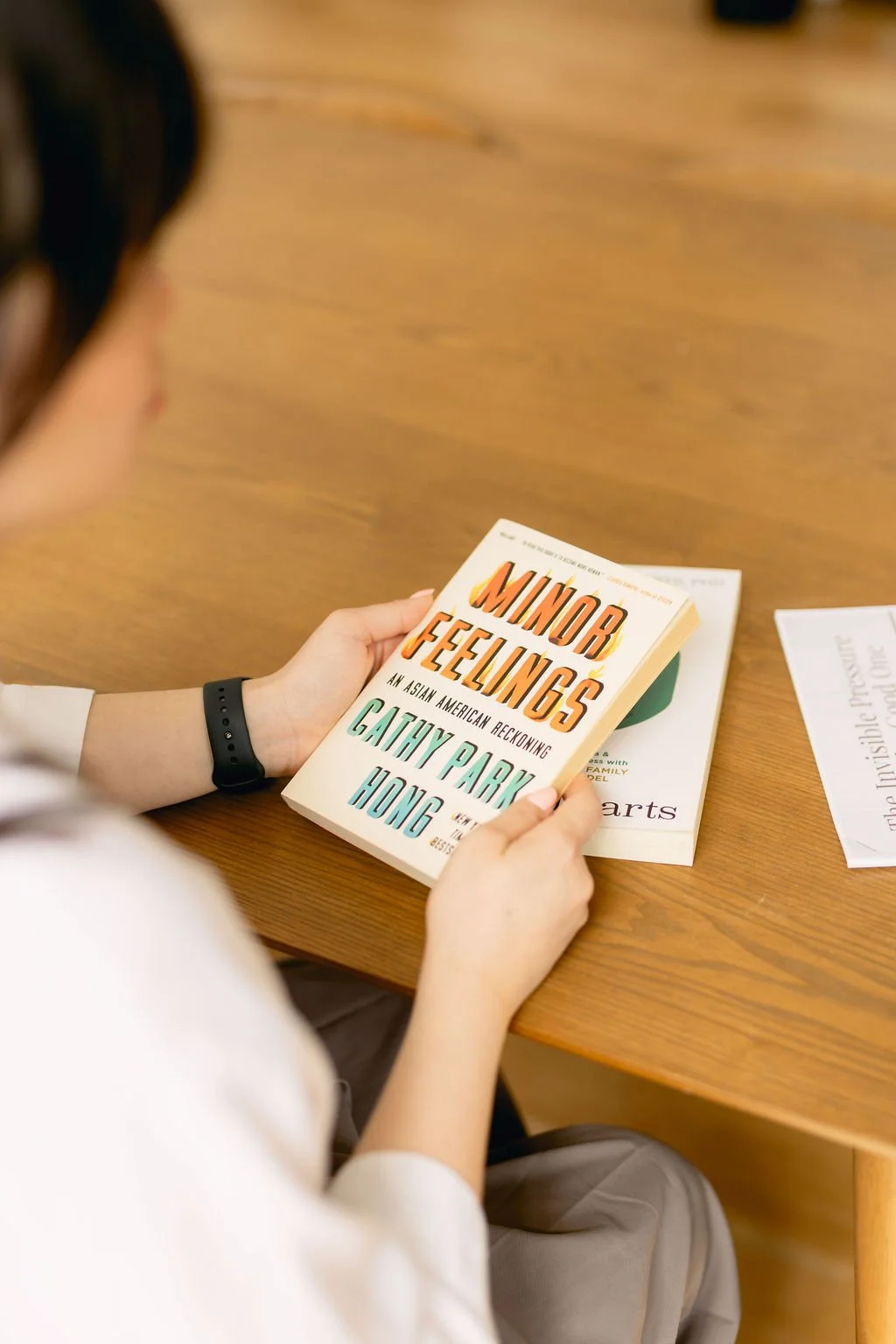
What Internalized Racism Looks Like for Asian Canadians And How to Heal It
Internalized racism can quietly shape how you see yourself and others. This explores how it shows up in everyday thoughts, and how reflection can help you begin to heal.

How Immigrant Families Pass Down Identity, Trauma, and Meaning
From family traditions to shared memories, immigrant experiences shape identity in ways we don’t always recognize. This explores how meaning, trauma, and connection are passed across generations.
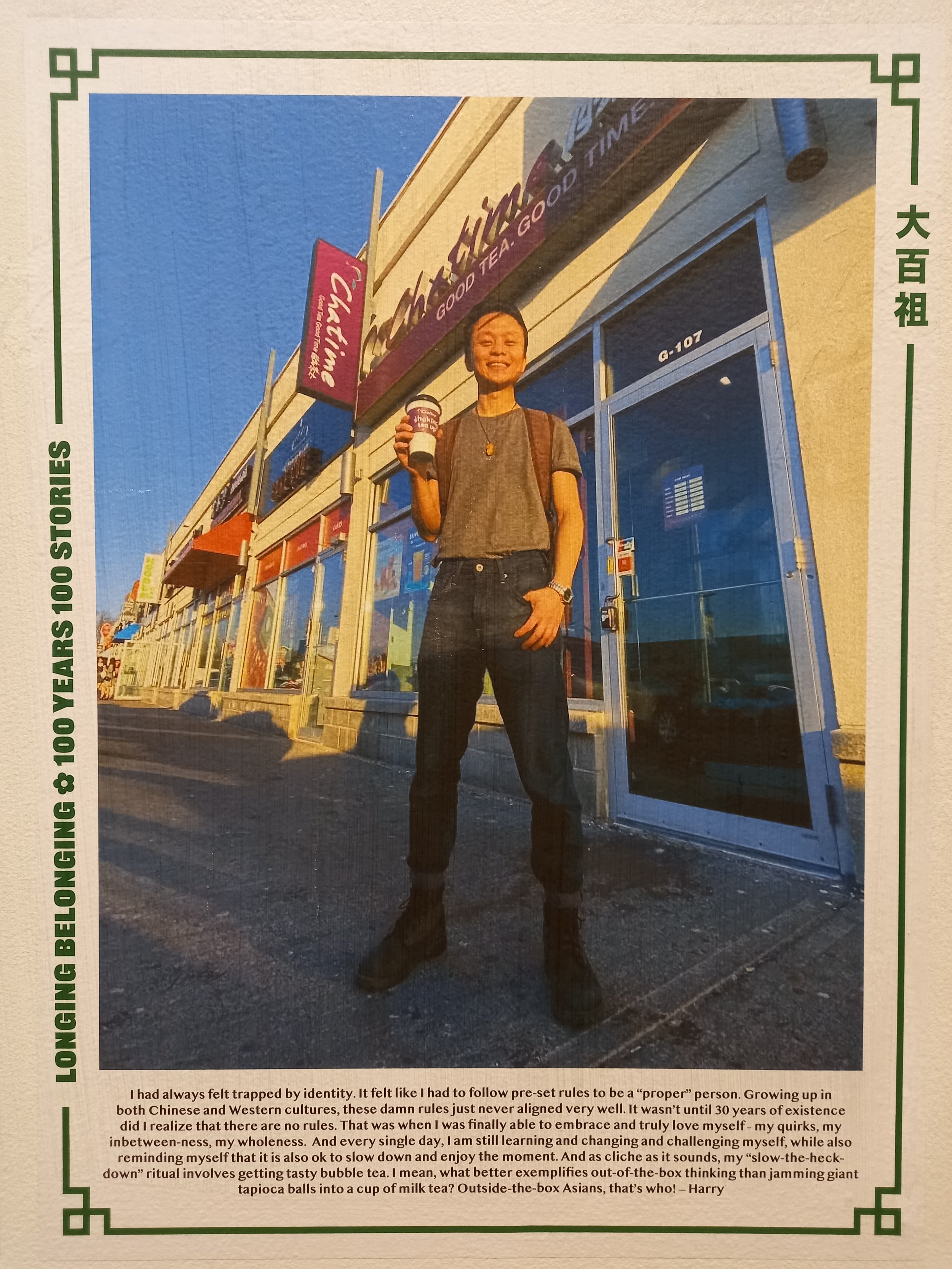
What It Means to Be Asian Canadian: Identity, Belonging, and Self-Acceptance
Exploring what it means to navigate identity as an Asian Canadian, and how culture, belonging, and self-acceptance shape the way we see ourselves.

How Perfectionism and Fear Make You Productive but Not Fulfilled
You can be productive, efficient, and still feel unfulfilled. This explores how perfectionism, fear, and cultural pressure can keep you busy but disconnected from what actually matters.
Why You Can’t Change Your Life Even When You Want To
When anxiety and burnout keep you stuck in the same patterns, hope can feel out of reach. This explores how small changes can rebuild momentum and emotional resilience.

Why Authenticity Matters in Therapy And How It Helps You Open Up
A behind-the-scenes look at how authenticity in therapy builds trust, deepens conversations, and helps clients feel safe enough to truly open up.

Why Therapists Don’t Always Call Out Harmful Language (And What Actually Helps)
Exploring why therapists don’t always challenge harmful language right away, and how trust, trauma, and timing play a deeper role in real healing.

Why Men Suppress Emotions (and Why Emotions Are Actually Rational)
Many men are taught to suppress their emotions—but emotions are not irrational. This article explores the evolutionary roots of emotions and why learning to understand them is key to better mental health and relationships.

Fear of Abandonment and Rejection: Why It Feels So Intense (and What to Do About It)
Fear of rejection and abandonment can feel overwhelming—but it’s not a flaw. This article explains the evolutionary and psychological roots of these fears, and how to start regulating them in your daily life.

Asian Perfectionism: Why You Feel the Pressure to Be Perfect (and How to Heal)
Many Asian Canadians struggle with perfectionism, people-pleasing, and never feeling “good enough.” This article explores the cultural, family, and emotional roots of perfectionism—and how to begin healing from it.

How to Talk About Racism in Therapy Without Feeling Stuck or Powerless
Understanding racism can be validating—but it can also leave you feeling stuck. This article explores how to acknowledge structural racism while still focusing on your own healing, growth, and sense of control.

Why It Feels So Hard to Spend Money on Yourself as an Asian Immigrant or Second Generation Adult
Many second generation Asian immigrants struggle with spending money on themselves, even when financially stable. This article explores how scarcity mindset, cultural guilt, and early family conditioning shape emotional patterns around money and self worth.

What Sports Reveal About Your Psychology: Ego, Codependency, and Fear of Failure in Performance
Sports often reveal psychological patterns we do not notice in daily life. This article explores how fear of being selfish, codependent tendencies, and avoidance of failure can show up in competitive play and reflect deeper relational patterns.
How to Improve Seasonal Affective Disorder Symptoms at Home: 5 Sensory and Environmental Strategies
Seasonal changes can impact mood, energy, and emotional regulation in ways that feel difficult to control. This article explores five practical, sensory based strategies to create a home environment that supports emotional stability and comfort during darker months.

People Pleasing and Anger: Why Suppressed Needs Turn Into Explosive Emotional Reactions
People pleasing often looks calm on the surface, but it can build into intense emotional pressure over time. This article explores how suppressed needs, insecure attachment, and fear of rejection can lead to anger, and how boundaries help regulate emotional intensity.

Learned Helplessness From Trauma and How to Rebuild Personal Agency
Trauma can create a long lasting sense of helplessness that follows you into adulthood. This article explores learned helplessness, why self determination feels difficult, and how small intentional actions rebuild personal agency and emotional control over time.
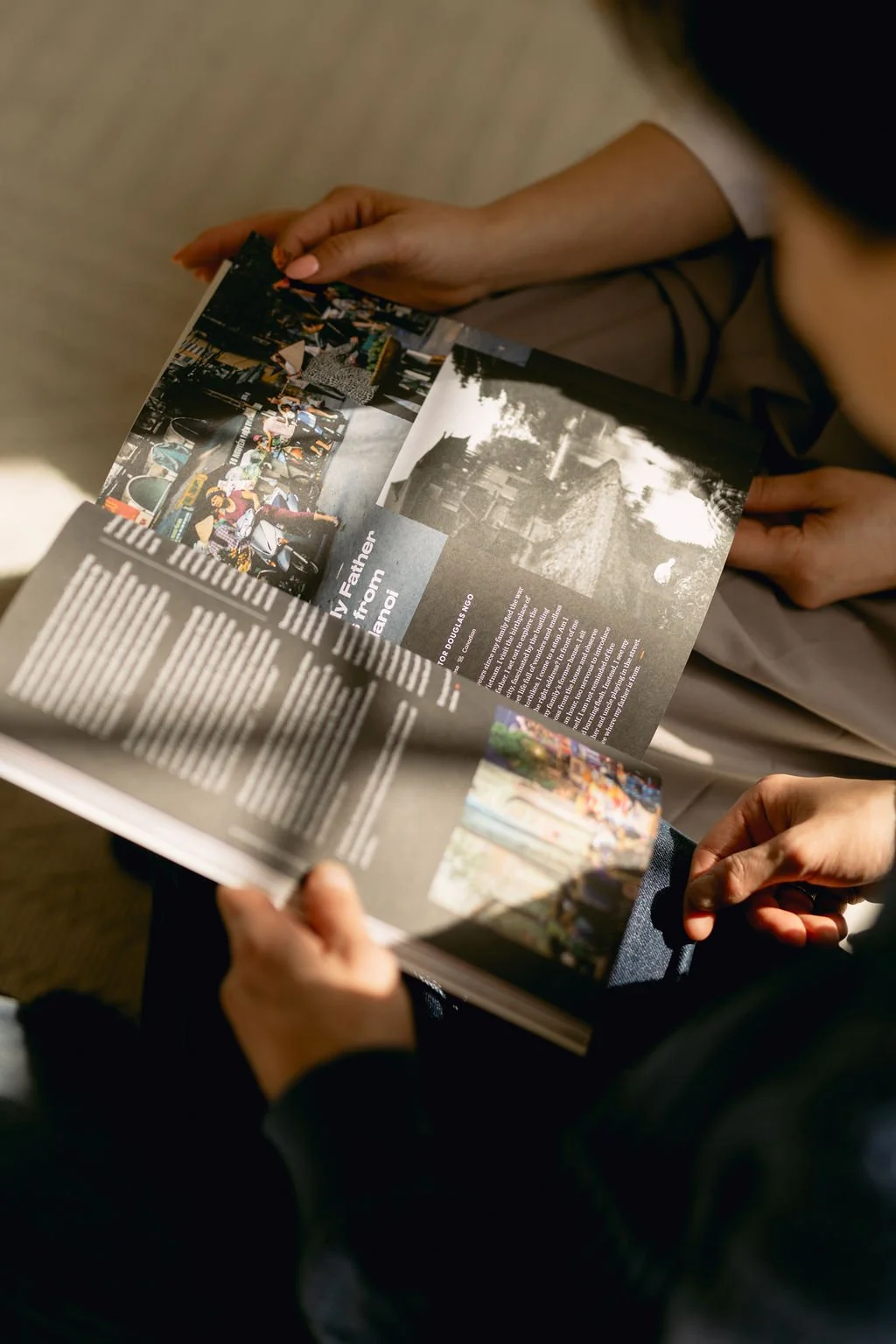
What Your Fantasies Reveal About Trauma, Identity, and Emotional Healing in Asian diaspora
Your inner fantasies are not random. They often reflect unmet emotional needs, identity formation, and early relational experiences. This article explores how imagination can reveal patterns of trauma, masculinity, and healing across different stages of emotional development.

How to Rewire Your Inner Critic (Reparenting After Childhood Trauma)
If your inner voice is harsh, critical, or never satisfied, it may have been shaped by childhood experiences you didn’t choose. This article breaks down how trauma influences your inner critic and how reparenting can help you build a more supportive and grounded relationship with yourself.