

ASIAN MENTAL HEALTH BLOG
Writing on Asian identity, family dynamics, and the work of becoming yourself.
Honest, specific, and written for 1.5 and 2nd generation Asian immigrants who are done with generic advice.
I write about the things my clients bring into sessions. The guilt that surfaces when you try to want something different. The anger that has been building for years without a name. The family dynamics that shaped you before you knew they were shaping you.
The topics are specific because the experiences are specific. If you have ever felt like mainstream mental health content was not really written for you, you are probably right. This is.

Why You Overthink When Socializing: How Cultural Hierarchy Can Fuel Social Anxiety
Socializing can become exhausting when you are constantly trying to figure out how you are supposed to act around other people. For many Asian Canadians, cultural expectations around hierarchy, respect, and social roles can contribute to social anxiety and overthinking.

Why You Can’t Stop Overthinking, Even When Life Feels Fine
Overthinking is often misunderstood as “thinking too much,” but it is actually an anxiety driven pattern rooted in emotional safety, perfectionism, and early life conditioning. This article explores why overthinking becomes chronic, especially in high functioning individuals and Asian Canadian immigrant contexts, and how it connects to trauma, emotional suppression, and burnout. You will learn what is actually happening beneath the mental loops and what helps shift this pattern over time.
Why You Can’t Slow Down: Burnout, Self-Care, and the Pressure to Always Be Productive
You know you need rest, but slowing down feels uncomfortable. Instead of recharging, you feel guilty, anxious, or like you should be doing more. This article explores why burnout is not just about doing too much, but about deeper patterns shaped by upbringing, culture, and self-worth and how to start building a healthier relationship with rest and self-care.
Why Self-Care Doesn’t Work When You’re Stuck in Survival Mode (7 Mistakes That Keep You Burned Out)
Self-care should help you feel better—but what if it doesn’t? If you feel stuck in survival mode, constantly overthinking, and still burned out despite doing all the “right” things, this might be why.
Asian Perfectionism: Why You Feel the Pressure to Be Perfect (and How to Heal)
Many Asian Canadians struggle with perfectionism, people-pleasing, and never feeling “good enough.” This article explores the cultural, family, and emotional roots of perfectionism—and how to begin healing from it.
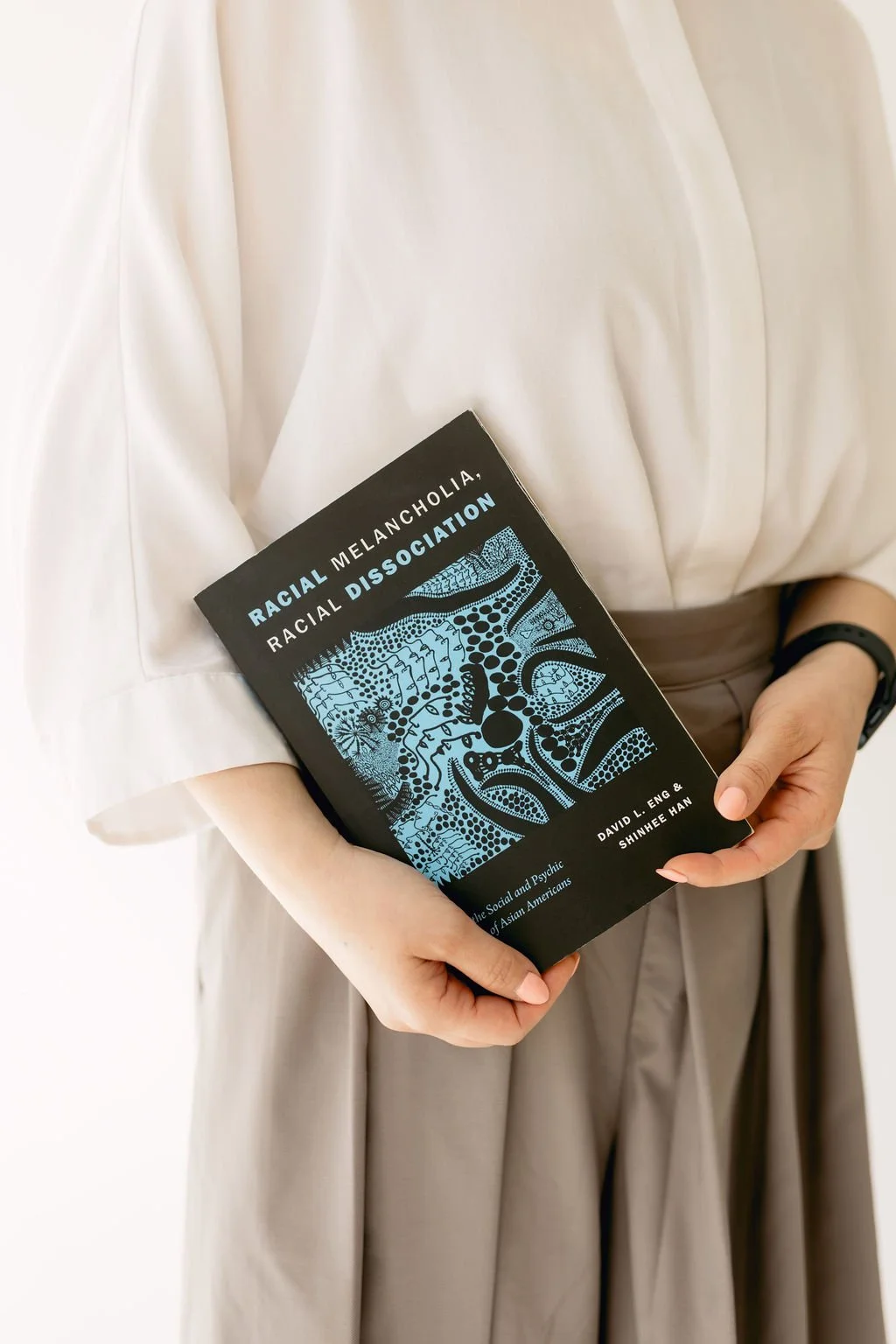
Why You Overthink Conversations After They Happen And How Childhood Patterns Keep It Going
Do you replay conversations in your head and wonder if you said the wrong thing? Overthinking conversations is often connected to deeper patterns shaped by childhood experiences, family dynamics, and the pressure to avoid mistakes. Learn why your mind does this and how to build a healthier relationship with yourself and others.
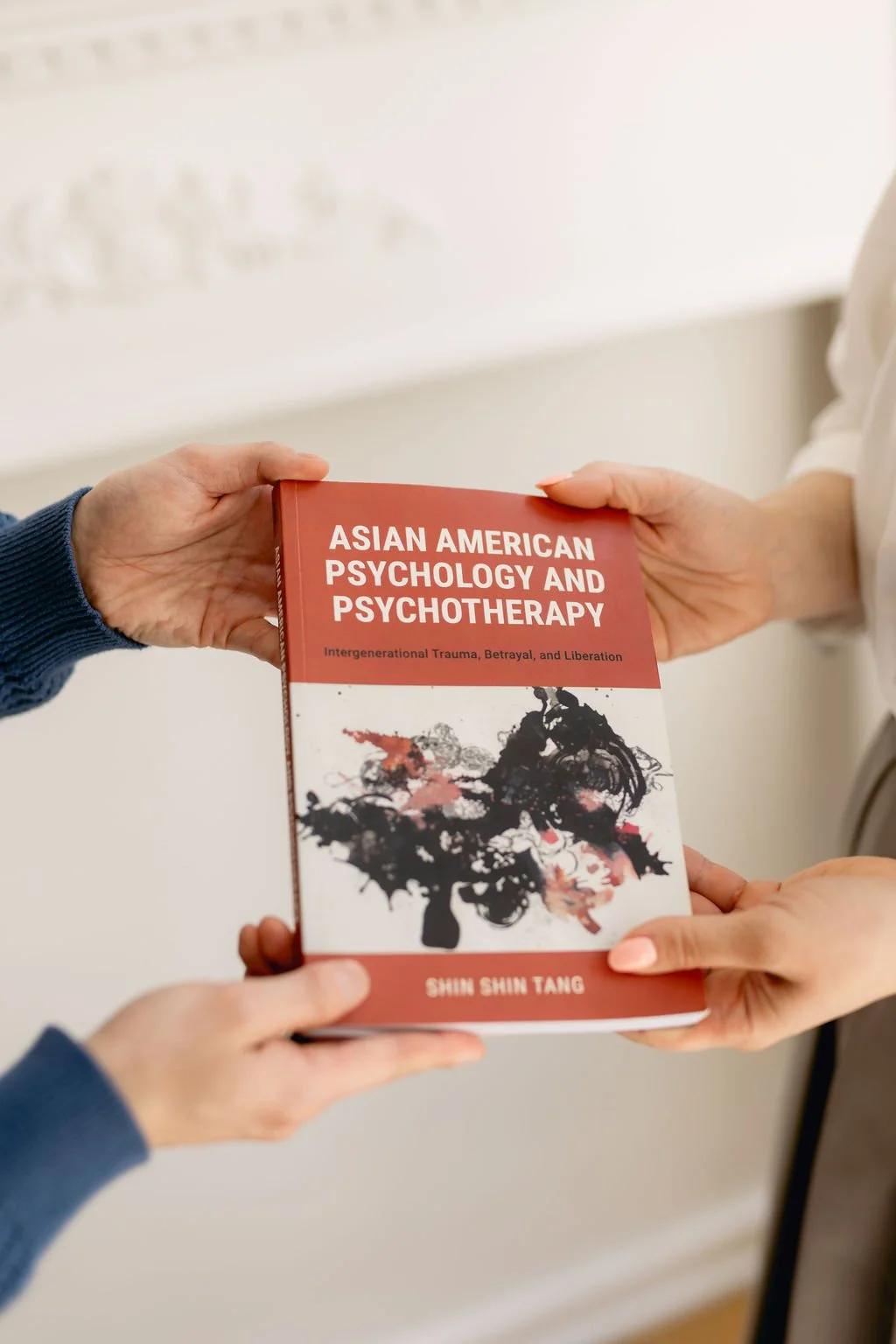
Why You Can’t Change Your Life Even When You Want To: Understanding Learned Helplessness and Feeling Stuck
When anxiety and burnout keep you stuck in the same patterns, hope can feel out of reach. This explores how small changes can rebuild momentum and emotional resilience.
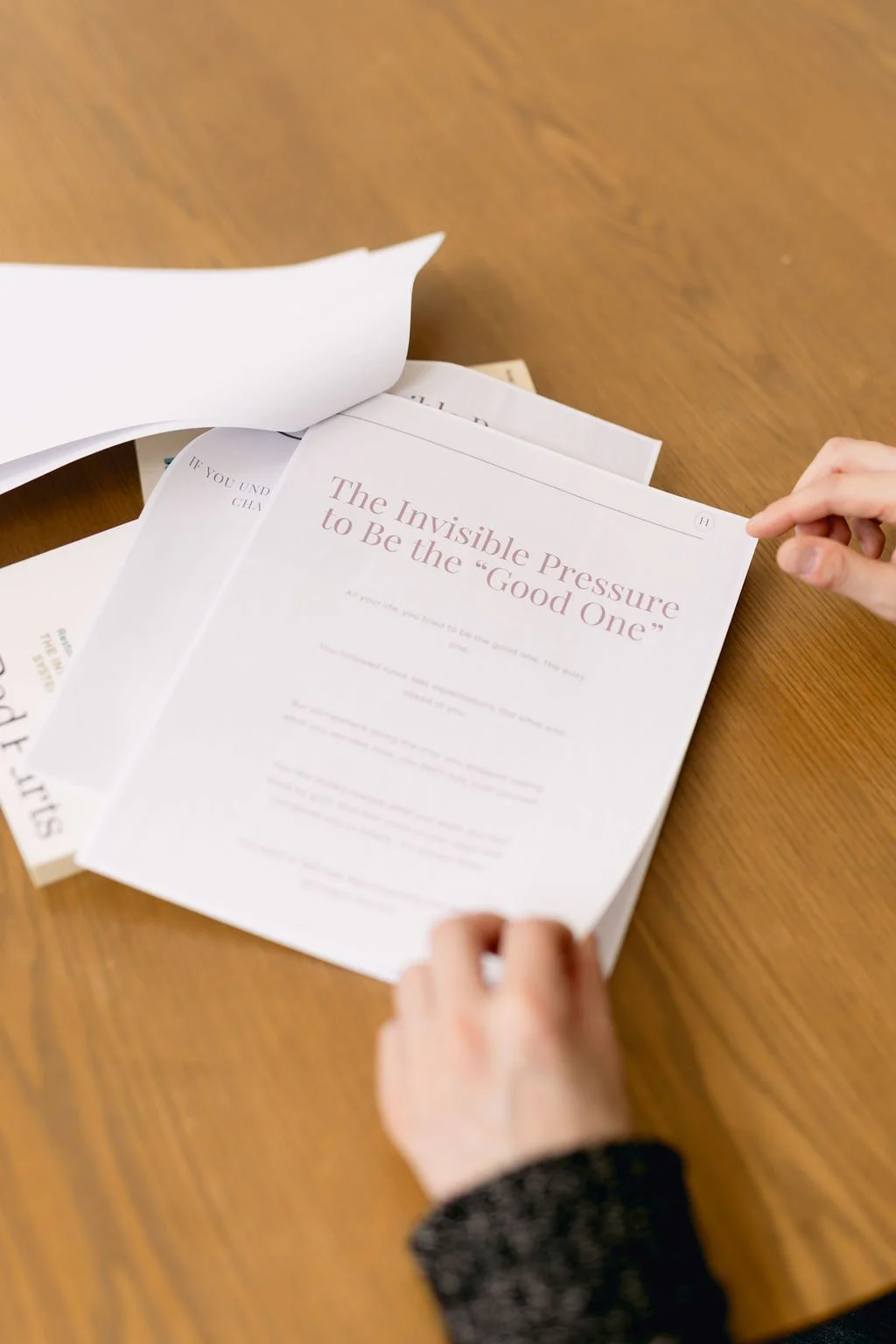
How to Regulate Your Nervous System: 8 Life Habits to Feel Calm and Grounded
Nervous system regulation is not about forcing yourself to be calm. It is about creating conditions where your body feels safer and more balanced. These are the daily habits that helped me feel more grounded, connected, and present in my body.

How to Reduce Mental Load: 8 Simple Ways to Stop Overthinking and Feel Less Overwhelmed
Feeling overwhelmed is not always about having too much to do. Sometimes it is about carrying too many decisions, responsibilities, and thoughts in your mind. These are the small changes that helped me reduce mental load, stop overthinking, and create more calm in my everyday life.

Mental Health Benefits of Journaling: How to Start When You Hate Journaling
Journaling can start as something you resist or avoid, but it often becomes a powerful tool for emotional clarity and regulation over time. This explores how journaling shifts from a task into a reflective practice that improves awareness, reduces avoidance, and supports mental health.

9 Stages of Journaling for Mental Health: How Emotional Processing Evolves Over Time
Journaling is not a fixed habit but a changing psychological tool that evolves with emotional growth. This outlines nine stages of journaling, from avoidance and venting to structured cognitive reflection and eventually intentional self awareness, showing how emotional processing deepens over time.
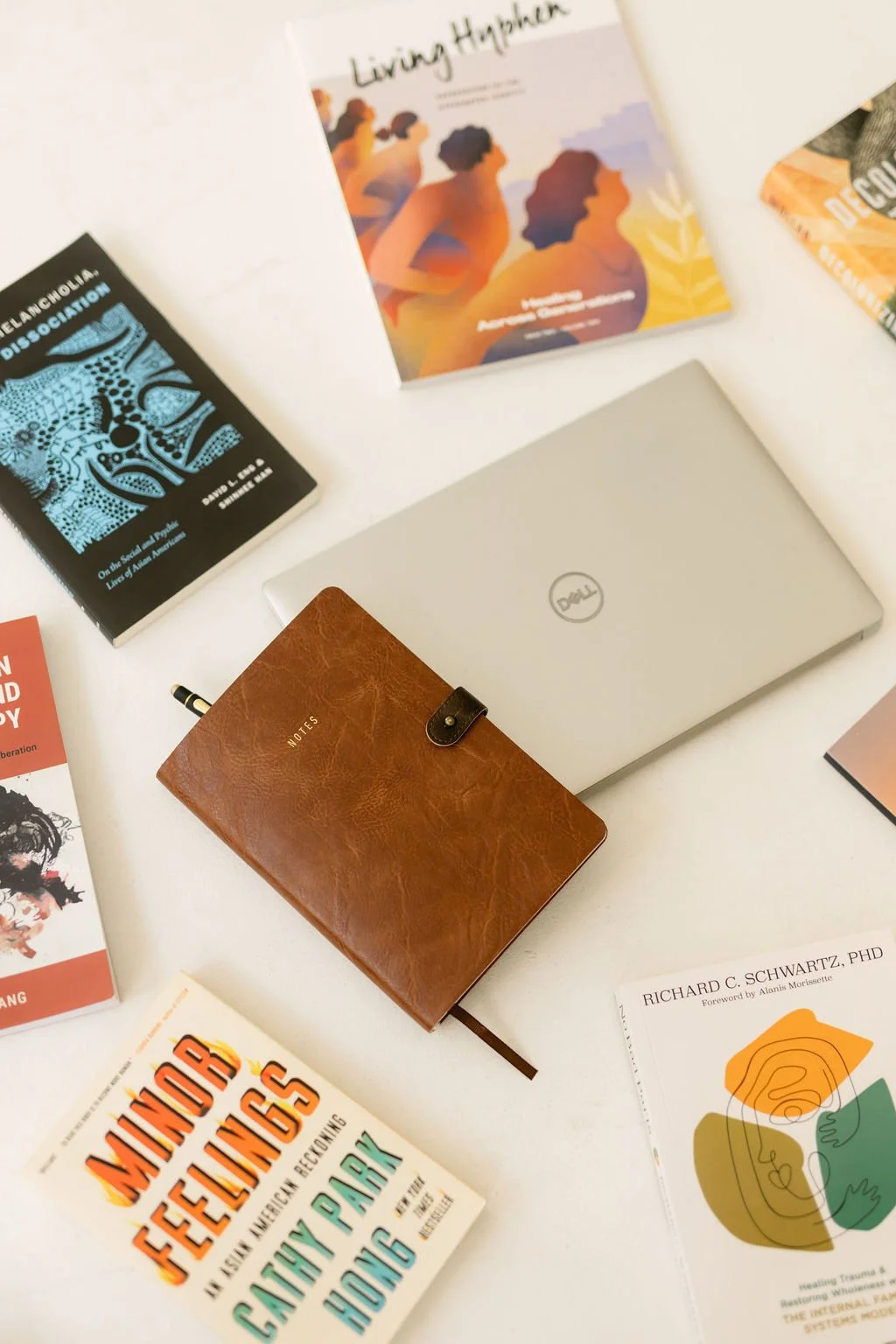
How to Let Go of Perfectionism and Enjoy Reading Again
Struggling to read without feeling pressure to finish everything perfectly? This post breaks down how perfectionism kills motivation and how to build a more flexible, enjoyable relationship with reading.

How Perfectionism and Fear Make You Productive but Not Fulfilled
You can be productive, efficient, and still feel unfulfilled. This explores how perfectionism, fear, and cultural pressure can keep you busy but disconnected from what actually matters.
How to Improve Seasonal Affective Disorder Symptoms at Home: 5 Sensory and Environmental Strategies
Seasonal changes can impact mood, energy, and emotional regulation in ways that feel difficult to control. This article explores five practical, sensory based strategies to create a home environment that supports emotional stability and comfort during darker months.

Learned Helplessness From Trauma and How to Rebuild Personal Agency
Trauma can create a long lasting sense of helplessness that follows you into adulthood. This article explores learned helplessness, why self determination feels difficult, and how small intentional actions rebuild personal agency and emotional control over time.

Asian Men, Racism, and Incel Culture: How Racism has Distorted Asian Masculinity
This article explores how racism, historical exclusion, and the model minority narrative shape Asian male identity and contribute to struggles with masculinity, self-worth, and belonging. It examines how systemic forces intersect with online subcultures like incel communities, and why these experiences cannot be understood through individual psychology alone. The post also critiques simplistic explanations of gender dynamics and highlights how broader social and historical structures influence emotional development and relational patterns.