

ASIAN MENTAL HEALTH BLOG
Writing on Asian identity, family dynamics, and the work of becoming yourself.
Honest, specific, and written for 1.5 and 2nd generation Asian immigrants who are done with generic advice.
I write about the things my clients bring into sessions. The guilt that surfaces when you try to want something different. The anger that has been building for years without a name. The family dynamics that shaped you before you knew they were shaping you.
The topics are specific because the experiences are specific. If you have ever felt like mainstream mental health content was not really written for you, you are probably right. This is.

Why You Can’t Stop Overthinking, Even When Life Feels Fine
Overthinking is often misunderstood as “thinking too much,” but it is actually an anxiety driven pattern rooted in emotional safety, perfectionism, and early life conditioning. This article explores why overthinking becomes chronic, especially in high functioning individuals and Asian Canadian immigrant contexts, and how it connects to trauma, emotional suppression, and burnout. You will learn what is actually happening beneath the mental loops and what helps shift this pattern over time.

Asian Perfectionism: Why You Feel the Pressure to Be Perfect (and How to Heal)
Many Asian Canadians struggle with perfectionism, people-pleasing, and never feeling “good enough.” This article explores the cultural, family, and emotional roots of perfectionism—and how to begin healing from it.

How to Rewire Your Inner Critic (Reparenting After Childhood Trauma)
If your inner voice is harsh, critical, or never satisfied, it may have been shaped by childhood experiences you didn’t choose. This article breaks down how trauma influences your inner critic and how reparenting can help you build a more supportive and grounded relationship with yourself.

Why Asking for Help Feels So Hard (Especially If You’re Used to Being Strong)
If you are used to handling everything on your own, asking for help can feel uncomfortable or even shameful. This post explores why that happens and what changes when you finally let yourself receive support.
Nice Guy Syndrome Explained: How People Pleasing Is a Trauma Response (Fawn Type)
People-pleasing is often misunderstood as a personality trait, but it is more accurately a survival response shaped by childhood dynamics. This article explores how the “nice guy” pattern develops through the fawn response in the nervous system, and why it continues into adult relationships. It breaks down how early family environments can disconnect someone from their authentic self, leading to cycles of approval seeking, resentment, and relational burnout. It also offers reflection prompts to help begin shifting out of this pattern and reconnecting with identity and needs.

Fear of Abandonment and Rejection: Why It Feels So Intense (and What to Do About It)
Fear of rejection and abandonment can feel overwhelming—but it’s not a flaw. This article explains the evolutionary and psychological roots of these fears, and how to start regulating them in your daily life.
Why You Overthink Conversations After They Happen And How Childhood Patterns Keep It Going
Do you replay conversations in your head and wonder if you said the wrong thing? Overthinking conversations is often connected to deeper patterns shaped by childhood experiences, family dynamics, and the pressure to avoid mistakes. Learn why your mind does this and how to build a healthier relationship with yourself and others.

Signs You Grew Up With Emotional Neglect (in Asian Immigrant Families)
Emotional neglect does not always look like obvious trauma. Many people grow up with loving parents who provided food, shelter, and education, yet still struggle with feeling disconnected, unsupported, or unsure of their own emotions. Learn how childhood emotional neglect develops, why it is common in Asian immigrant families, and how it impacts anxiety, relationships, self worth, and emotional connection in adulthood.

How Immigrant Families Pass Down Identity, Trauma, and Meaning
From family traditions to shared memories, immigrant experiences shape identity in ways we don’t always recognize. This explores how meaning, trauma, and connection are passed across generations.

Why Therapists Don’t Always Call Out Harmful Language (And What Actually Helps)
Exploring why therapists don’t always challenge harmful language right away, and how trust, trauma, and timing play a deeper role in real healing.
Workplace Bullying and Trauma: How People-Pleasing Leads to Powerlessness and Reclaiming Your Voice
Workplace bullying often does not begin with overt conflict, but with subtle patterns of people pleasing, fear of disapproval, and internalized powerlessness. This article describes how these dynamics can develop in professional environments and how trauma responses from earlier life experiences can shape workplace behaviour. It follows a real case example of shifting from approval seeking to internal authority, and explores how healing involves rebuilding a sense of agency, boundaries, and self-trust in relational power dynamics.
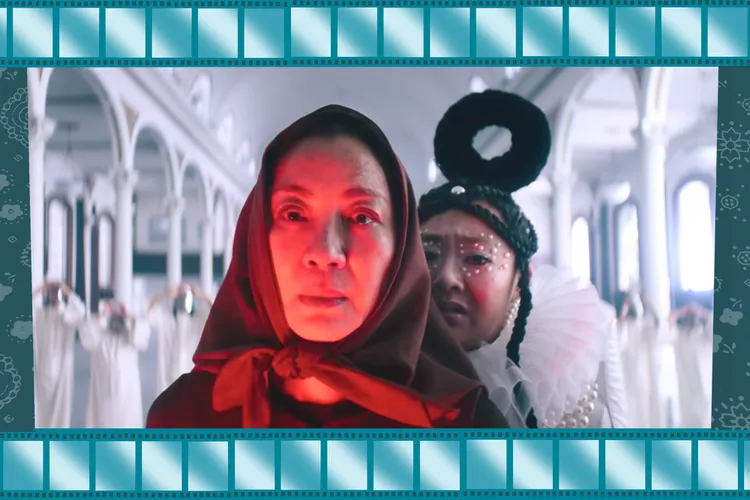
Everything Everywhere All at Once and the Immigrant Parent Child Relationship: Exploring Cultural Expectations and Family Dynamics
Everything Everywhere All at Once highlights many themes familiar to children of immigrants, including family expectations, cultural differences, sacrifice, and identity. I was featured in this VeryWell Mind article, where I share my perspective on immigrant parent-child relationships and the mental health experiences that shape Asian families.
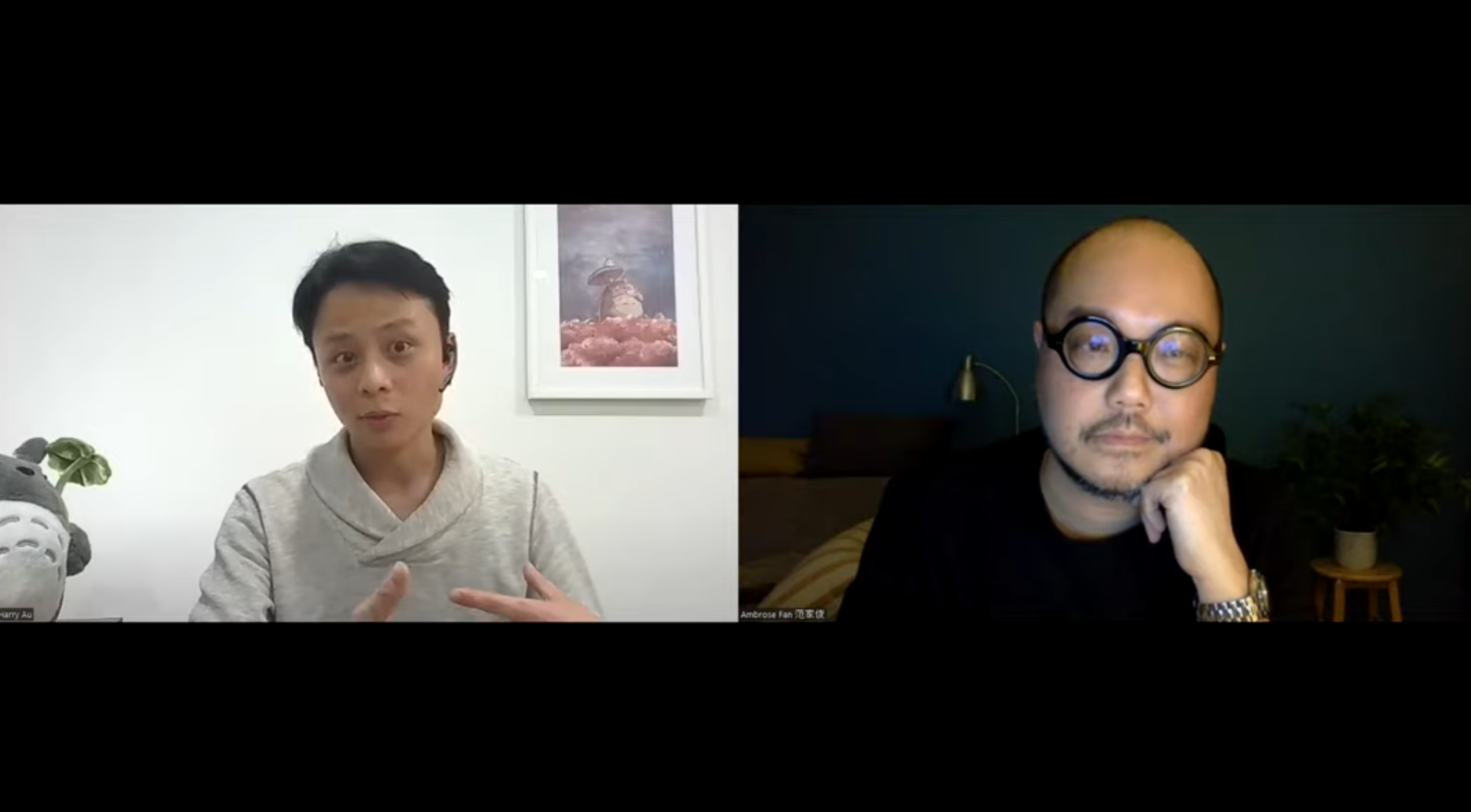
Asian Immigrant Mental Health: Understanding Shame, Filial Piety, and Intergenerational Trauma
Asian immigrant mental health is shaped by more than individual experiences. In this panel discussion, Harry Au explores intergenerational trauma, shame, filial piety, family expectations, and the experiences that influence mental health in Asian communities