


ASIAN MENTAL HEALTH BLOG
Writing on Asian identity, family dynamics, and the work of becoming yourself.
Honest, specific, and written for 1.5 and 2nd generation Asian immigrants who are done with generic advice.
I write about the things my clients bring into sessions. The guilt that surfaces when you try to want something different. The anger that has been building for years without a name. The family dynamics that shaped you before you knew they were shaping you.
The topics are specific because the experiences are specific. If you have ever felt like mainstream mental health content was not really written for you, you are probably right. This is.

Why You Can’t Rest: How Trauma, Productivity, and the Model Minority Myth Lead to Burnout
Rest can feel uncomfortable or even impossible when your self worth has been shaped by productivity and achievement. This article explores how trauma, family expectations, and the model minority myth create chronic overdoing, and how learning to rest requires unlearning shame, urgency, and emotional avoidance.

Asian Perfectionism: Why You Feel the Pressure to Be Perfect (and How to Heal)
Many Asian Canadians struggle with perfectionism, people-pleasing, and never feeling “good enough.” This article explores the cultural, family, and emotional roots of perfectionism—and how to begin healing from it.

Asian Mental Health Stigma Is Real But Racism Plays a Bigger Role
Mental health stigma in Asian communities is often blamed for everything. This post challenges that narrative by exploring how racism and structural oppression shape mental health in deeper ways.

4 Warning Signs Your Therapist Doesn’t Understand Your Culture
Not all therapy is culturally safe, and misunderstandings about identity can significantly impact trust, safety, and outcomes in treatment. This article outlines common signs that a therapist may be relying on stereotypes, oversimplified cultural assumptions, or deficit-based thinking when working with Asian clients. It also explores the complexity of cultural identity and why true cultural competence requires curiosity, flexibility, and an understanding of systemic forces rather than assumptions or generalizations.

The Model Minority Myth: How It Impacts Asian Mental Health, Identity, and Self-Worth
The Model Minority Myth affects more than how Asian communities are viewed. It can shape our identity, self-worth, perfectionism, and mental health. Learn how this stereotype impacts Asian Canadians and how to define yourself beyond achievement.

Asian Identity in Canada: Why There Is No “Right Way” to Be Asian
Many Asian Canadians grow up feeling pressure to define their identity through external expectations such as cultural authenticity or assimilation. This post explores how identity is shaped by personal experience, systemic racism, and cultural expectations, and why there is no single correct way to be Asian.

FOB vs Banana Labels: Why Asian Identity Is More Complex Than Either Category
Identity labels like FOB and “banana” force a false binary on Asian identity that does not reflect lived experience. Many second generation Asians exist in between and beyond these categories, and real psychological health comes from moving past external labels toward a more flexible and self defined sense of identity.

Anti-Black Racism in Asian Communities: Why It Matters for Your Own Healing
Many Asian Canadians grow up disconnected from the history of racism. This post explores how anti-Black racism and internalized racism are connected, and why understanding both is essential for healing and self-awareness.

How Asian Canadians Navigate Racism, Privilege, and Solidarity
Asian Canadians often navigate both racism and privilege in complex ways. This explores how understanding these experiences can deepen empathy, identity, and connection across communities.
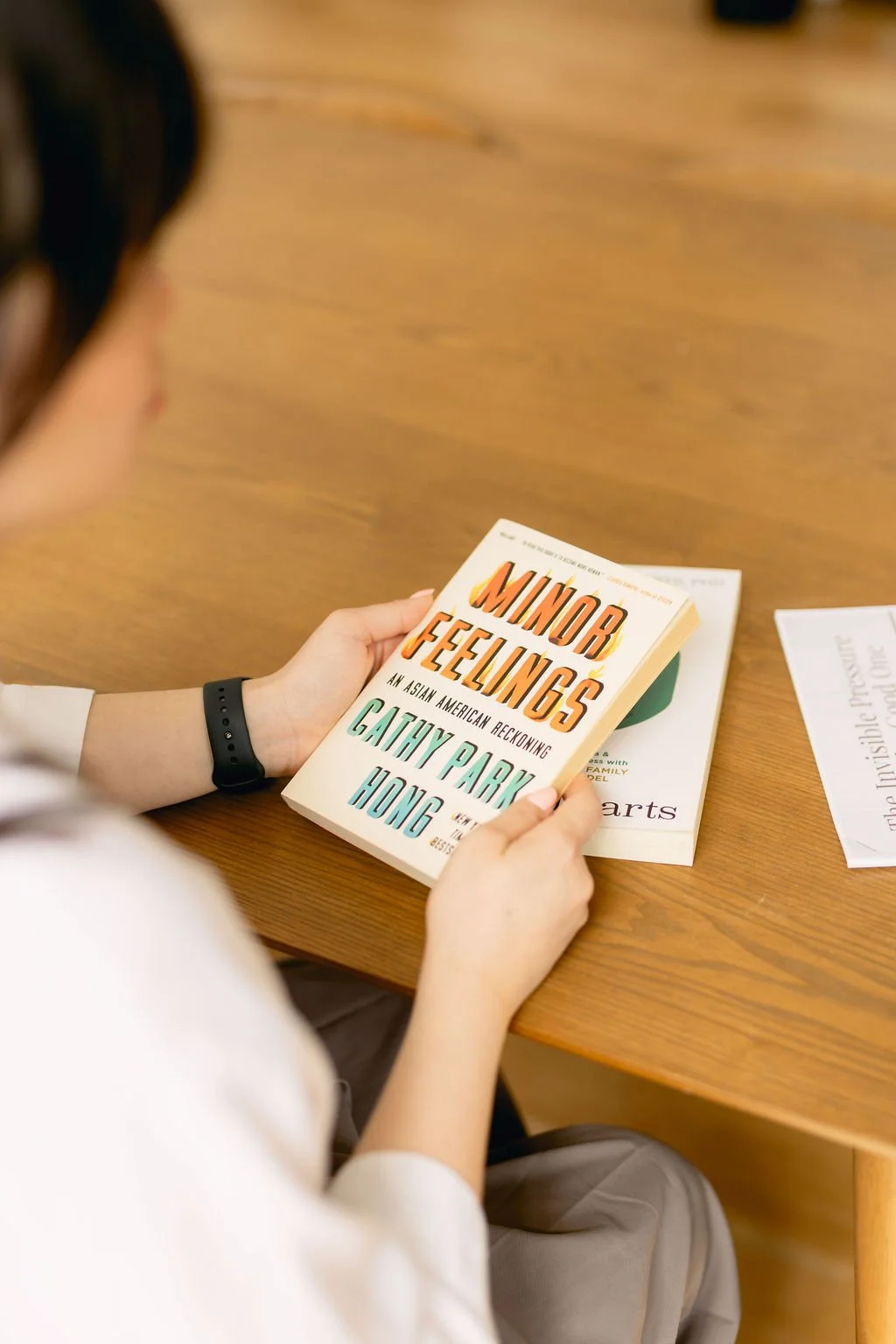
What Internalized Racism Looks Like for Asian Canadians And How to Heal It
Internalized racism can quietly shape how you see yourself and others. This explores how it shows up in everyday thoughts, and how reflection can help you begin to heal.

Why It Feels So Hard to Spend Money on Yourself as an Asian Immigrant or Second Generation Adult
Many second generation Asian immigrants struggle with spending money on themselves, even when financially stable. This article explores how scarcity mindset, cultural guilt, and early family conditioning shape emotional patterns around money and self worth.
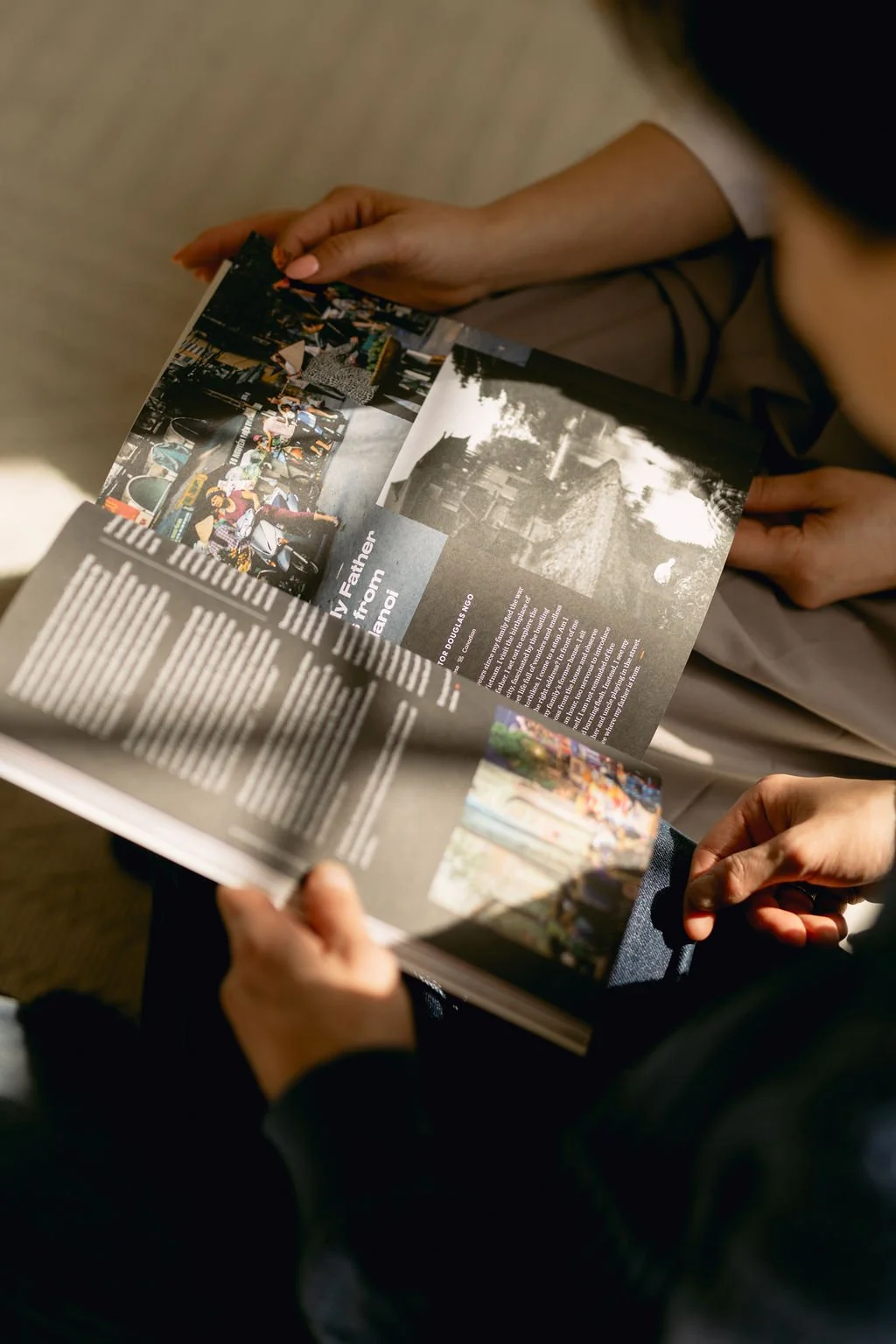
What Your Fantasies Reveal About Trauma, Identity, and Emotional Healing in Asian diaspora
Your inner fantasies are not random. They often reflect unmet emotional needs, identity formation, and early relational experiences. This article explores how imagination can reveal patterns of trauma, masculinity, and healing across different stages of emotional development.
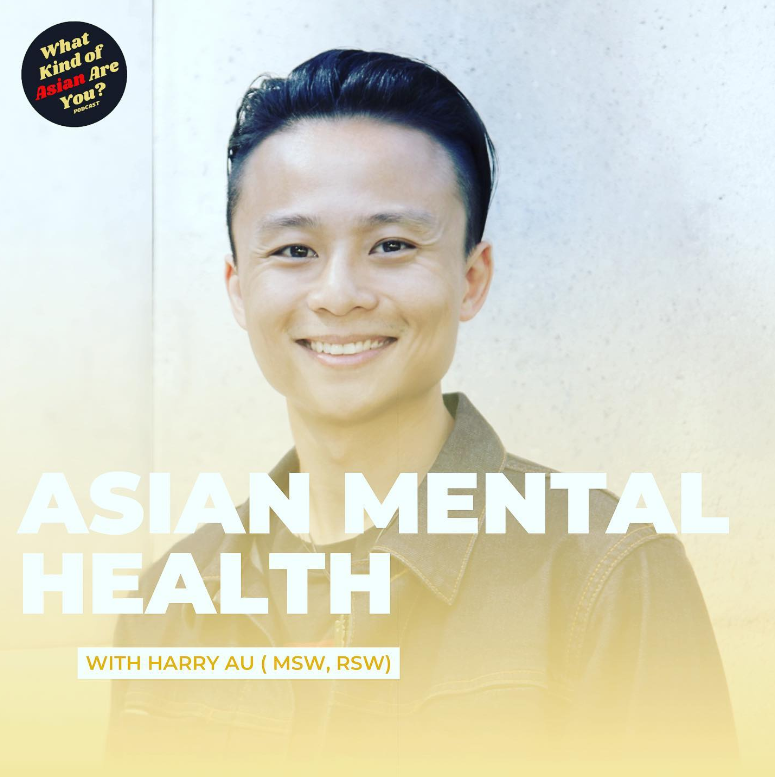
Asian Mental Health: Understanding the Experiences of Asian Canadians in Therapy
Asian Canadians often navigate unique experiences related to culture, family expectations, identity, and emotional wellbeing. In this podcast conversation, Harry Au discusses Asian mental health, therapy, and the challenges many Asians in the diaspora face when seeking support
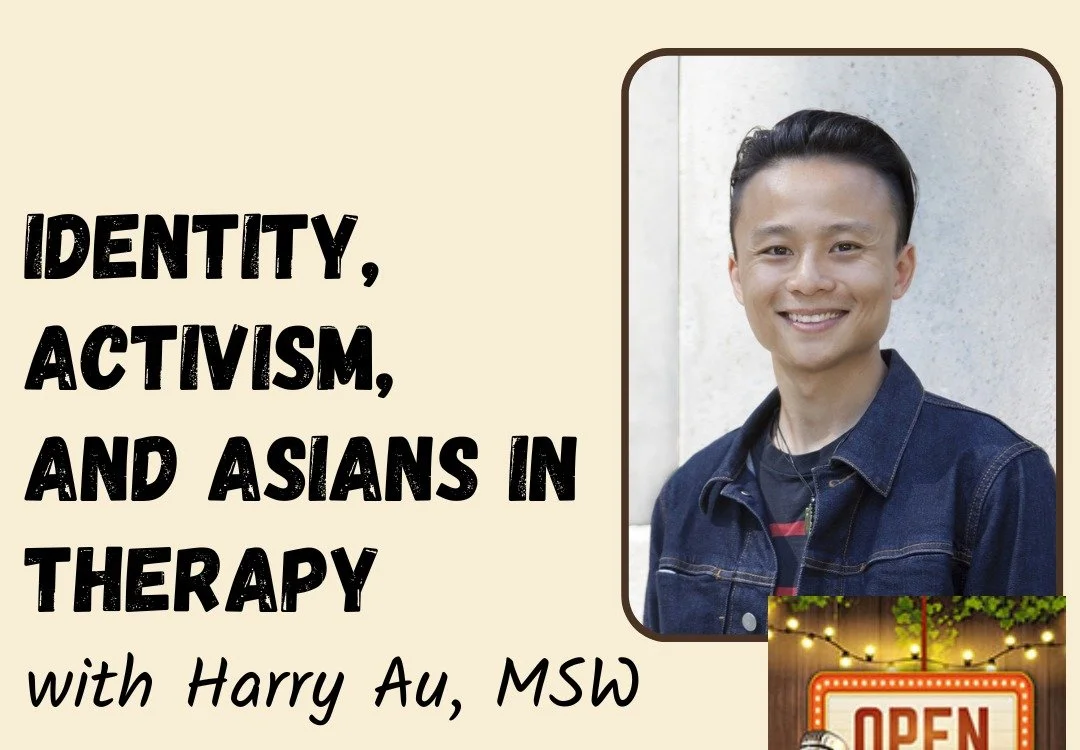
Identity, Activism, and Asian Mental Health: Navigating Culture, Expectations, and Finding Your Own Path
Many Asian Canadians navigate the tension between cultural expectations, community responsibility, and the desire to live an authentic life. In this podcast conversation, I explore Asian identity, activism, the model minority myth, and how these experiences shape mental health, belonging, and personal freedom

Dating as an Asian Man: Racism, Stereotypes, and the Pressure to Prove Yourself
Many Asian men navigate dating while carrying stereotypes, racial biases, and cultural expectations that can affect confidence, identity, and relationships. In this podcast conversation, I explore the Asian male dating experience, the impact of social conditioning, and how we can examine the biases that shape attraction and connection.
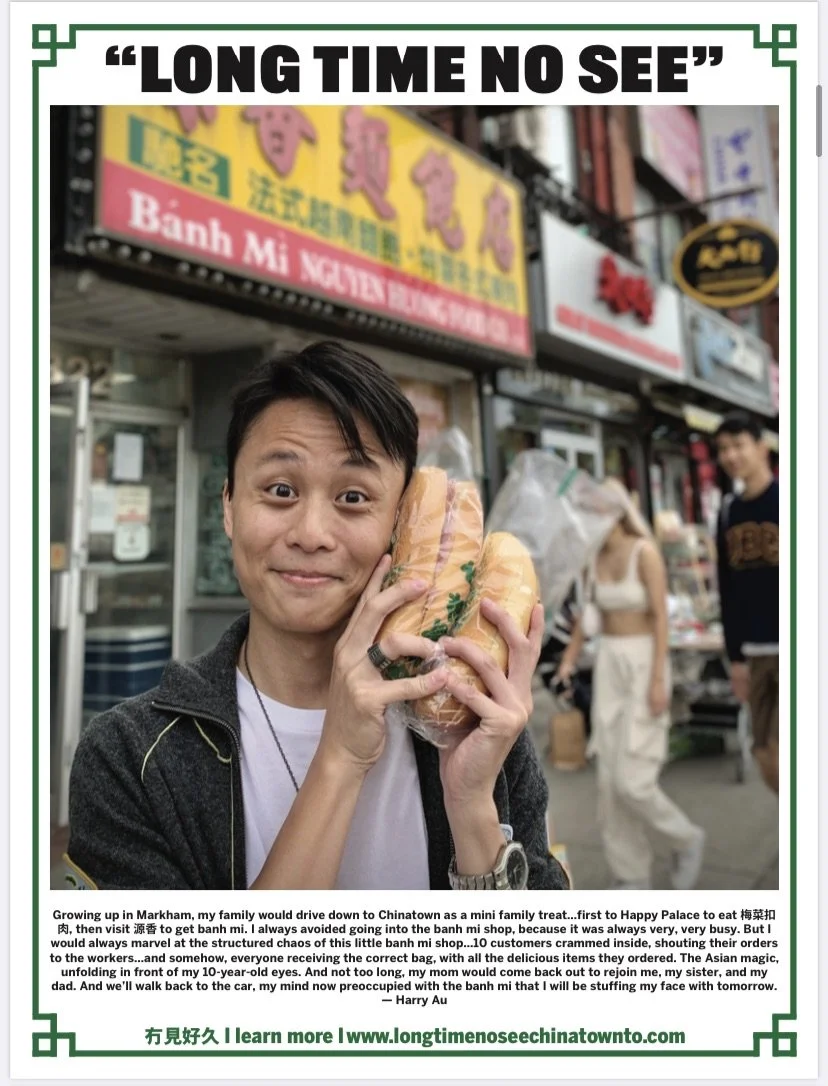
Fighting Anti Asian Racism in Toronto Chinatown: Storytelling, Community, and Belonging
Chinatown in Toronto is undergoing cultural and economic change shaped by anti Asian racism, gentrification, and community displacement. This post explores a storytelling project that highlights lived experiences, collective memory, and the importance of preserving community identity and belonging.
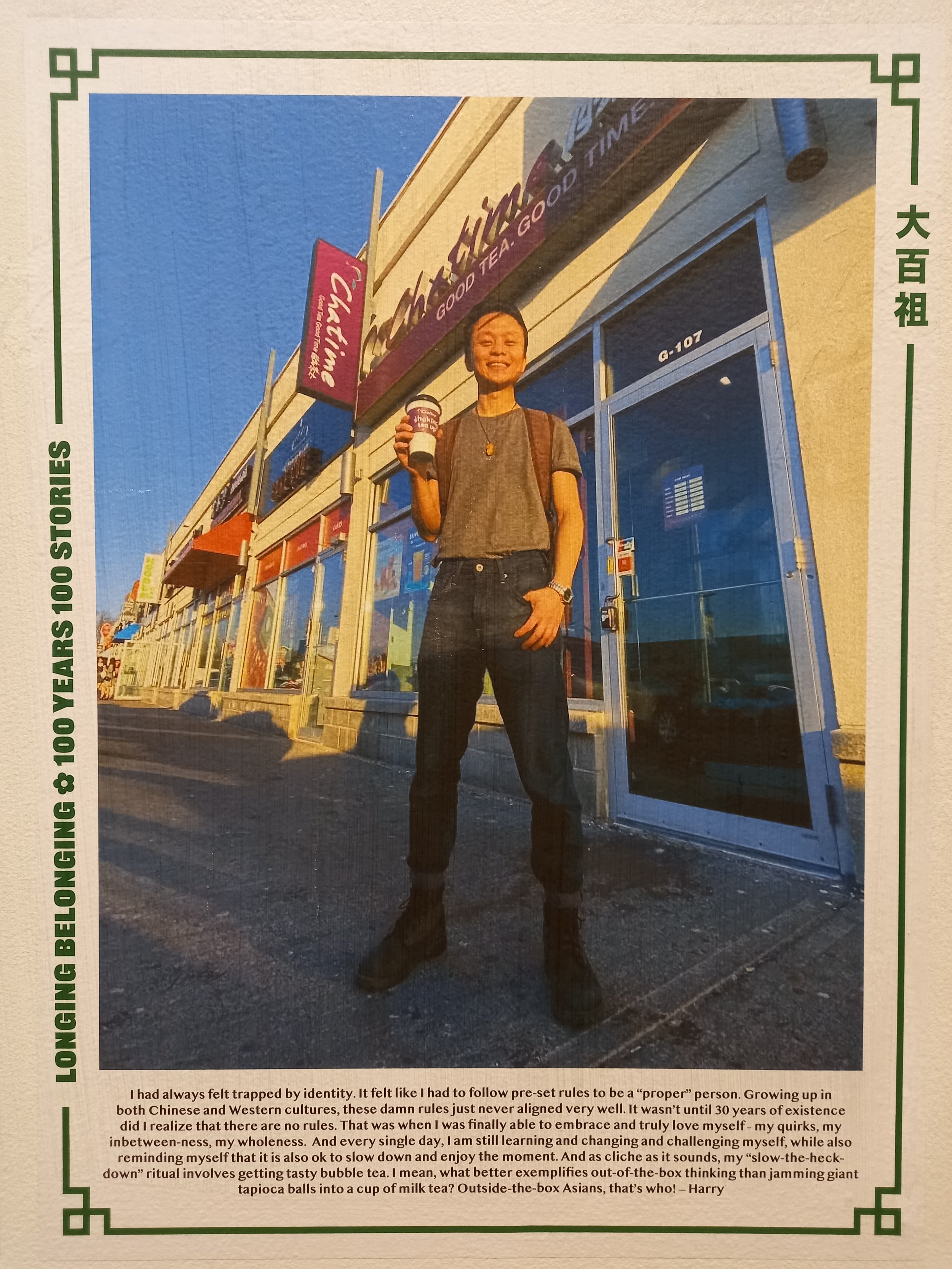
What It Means to Be Asian Canadian: Identity, Belonging, and Self-Acceptance
Exploring what it means to navigate identity as an Asian Canadian, and how culture, belonging, and self-acceptance shape the way we see ourselves.