


ASIAN MENTAL HEALTH BLOG
Writing on Asian identity, family dynamics, and the work of becoming yourself.
Honest, specific, and written for 1.5 and 2nd generation Asian immigrants who are done with generic advice.
I write about the things my clients bring into sessions. The guilt that surfaces when you try to want something different. The anger that has been building for years without a name. The family dynamics that shaped you before you knew they were shaping you.
The topics are specific because the experiences are specific. If you have ever felt like mainstream mental health content was not really written for you, you are probably right. This is.

4 Warning Signs Your Therapist Doesn’t Understand Your Culture
Not all therapy is culturally safe, and misunderstandings about identity can significantly impact trust, safety, and outcomes in treatment. This article outlines common signs that a therapist may be relying on stereotypes, oversimplified cultural assumptions, or deficit-based thinking when working with Asian clients. It also explores the complexity of cultural identity and why true cultural competence requires curiosity, flexibility, and an understanding of systemic forces rather than assumptions or generalizations.

Why Good Therapists Do Their Own Healing Work: What Clients Should Know About Therapy
Many people worry about whether their therapist is “qualified enough” or emotionally stable enough to help them. This post explores why good therapists actively engage in their own healing work, how this supports client care, and why therapy is ultimately a human relational process rather than a one sided expert dynamic.

Mental Health Benefits of Journaling: How to Start When You Hate Journaling
Journaling can start as something you resist or avoid, but it often becomes a powerful tool for emotional clarity and regulation over time. This explores how journaling shifts from a task into a reflective practice that improves awareness, reduces avoidance, and supports mental health.

9 Stages of Journaling for Mental Health: How Emotional Processing Evolves Over Time
Journaling is not a fixed habit but a changing psychological tool that evolves with emotional growth. This outlines nine stages of journaling, from avoidance and venting to structured cognitive reflection and eventually intentional self awareness, showing how emotional processing deepens over time.

How Therapy Actually Works And Why You Shouldn’t “Just Trust the Process”
“Trust the process” can feel vague and frustrating. This breaks down how therapy actually works so you can build real trust based on understanding, not blind faith.

Why Therapists Don’t Always Call Out Harmful Language (And What Actually Helps)
Exploring why therapists don’t always challenge harmful language right away, and how trust, trauma, and timing play a deeper role in real healing.

How to Talk About Racism in Therapy Without Feeling Stuck or Powerless
Understanding racism can be validating—but it can also leave you feeling stuck. This article explores how to acknowledge structural racism while still focusing on your own healing, growth, and sense of control.

Asian Mental Health: Understanding the Experiences of Asian Canadians in Therapy
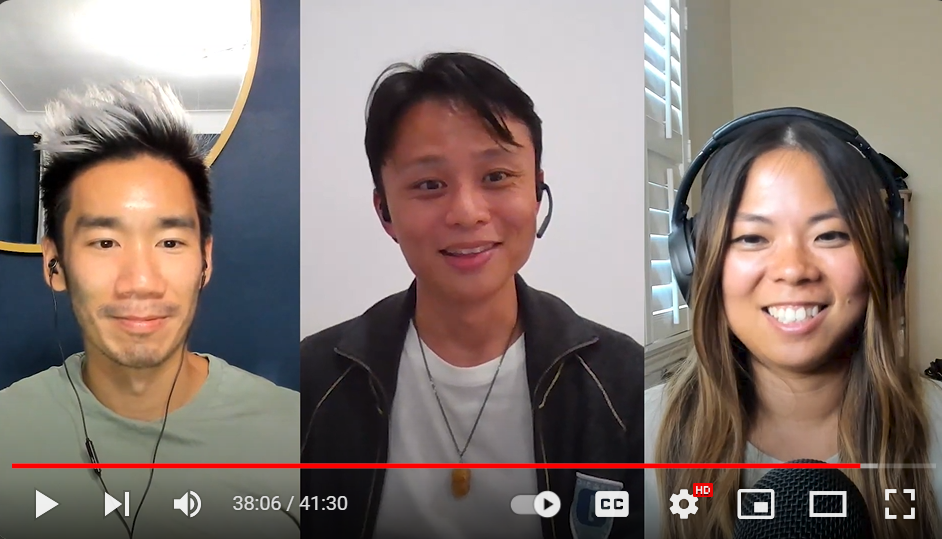
Asian Canadians often navigate unique experiences related to culture, family expectations, identity, and emotional wellbeing. In this podcast conversation, Harry Au discusses Asian mental health, therapy, and the challenges many Asians in the diaspora face when seeking support
Therapy for Asian Canadians: Understanding Identity, Family, and Emotional Wellbeing
Many Asian Canadians struggle to find a therapist who understands the cultural experiences that shape their mental health. In this podcast conversation, I discuss therapy for Asian diaspora communities, including identity, family expectations, emotional expression, and the challenges many Asian Canadians face when seeking support.

Welcome to Therapy with harry: Mental Health for Asian Canadians
Welcome to Harry Au Therapy—supporting Asian Canadians navigating anxiety, trauma, and identity.