

ASIAN MENTAL HEALTH BLOG
Writing on Asian identity, family dynamics, and the work of becoming yourself.
Honest, specific, and written for 1.5 and 2nd generation Asian immigrants who are done with generic advice.
I write about the things my clients bring into sessions. The guilt that surfaces when you try to want something different. The anger that has been building for years without a name. The family dynamics that shaped you before you knew they were shaping you.
The topics are specific because the experiences are specific. If you have ever felt like mainstream mental health content was not really written for you, you are probably right. This is.
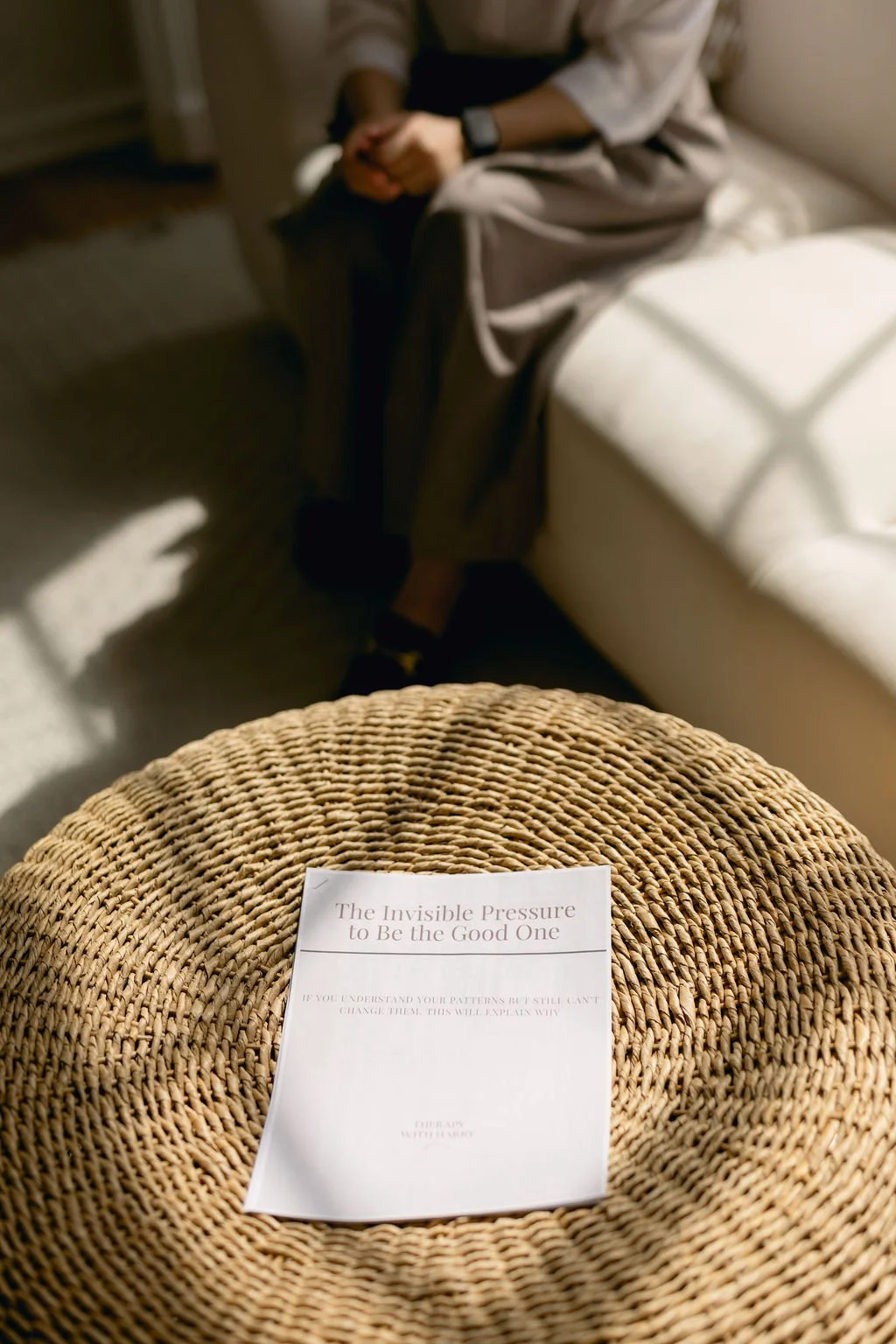
Asian Perfectionism: Why You Feel the Pressure to Be Perfect (and How to Heal)
Many Asian Canadians struggle with perfectionism, people-pleasing, and never feeling “good enough.” This article explores the cultural, family, and emotional roots of perfectionism—and how to begin healing from it.

Why Asking for Help Feels So Hard (Especially If You’re Used to Being Strong)
If you are used to handling everything on your own, asking for help can feel uncomfortable or even shameful. This post explores why that happens and what changes when you finally let yourself receive support.

Nice Guy Syndrome Explained: How People Pleasing Is a Trauma Response (Fawn Type)
People-pleasing is often misunderstood as a personality trait, but it is more accurately a survival response shaped by childhood dynamics. This article explores how the “nice guy” pattern develops through the fawn response in the nervous system, and why it continues into adult relationships. It breaks down how early family environments can disconnect someone from their authentic self, leading to cycles of approval seeking, resentment, and relational burnout. It also offers reflection prompts to help begin shifting out of this pattern and reconnecting with identity and needs.
Why You Overthink Conversations After They Happen And How Childhood Patterns Keep It Going
Do you replay conversations in your head and wonder if you said the wrong thing? Overthinking conversations is often connected to deeper patterns shaped by childhood experiences, family dynamics, and the pressure to avoid mistakes. Learn why your mind does this and how to build a healthier relationship with yourself and others.

Signs You Grew Up With Emotional Neglect (in Asian Immigrant Families)
Emotional neglect does not always look like obvious trauma. Many people grow up with loving parents who provided food, shelter, and education, yet still struggle with feeling disconnected, unsupported, or unsure of their own emotions. Learn how childhood emotional neglect develops, why it is common in Asian immigrant families, and how it impacts anxiety, relationships, self worth, and emotional connection in adulthood.

Why You Self-Sacrifice in Relationships and Why it Feels Like Love: Filial Piety and Emotional Neglect in Asian Families
Filial piety often teaches you to prioritize your family over yourself, but over time, that can turn into guilt, people-pleasing, and difficulty setting boundaries. This article explores how self-sacrifice in Asian families shapes your relationships and why it’s so hard to choose yourself without feeling like you’re doing something wrong.
Asian Identity in Canada: Why There Is No “Right Way” to Be Asian
Many Asian Canadians grow up feeling pressure to define their identity through external expectations such as cultural authenticity or assimilation. This post explores how identity is shaped by personal experience, systemic racism, and cultural expectations, and why there is no single correct way to be Asian.

FOB vs Banana Labels: Why Asian Identity Is More Complex Than Either Category
Identity labels like FOB and “banana” force a false binary on Asian identity that does not reflect lived experience. Many second generation Asians exist in between and beyond these categories, and real psychological health comes from moving past external labels toward a more flexible and self defined sense of identity.

Why It Feels So Hard to Spend Money on Yourself as an Asian Immigrant or Second Generation Adult
Many second generation Asian immigrants struggle with spending money on themselves, even when financially stable. This article explores how scarcity mindset, cultural guilt, and early family conditioning shape emotional patterns around money and self worth.

People Pleasing and Anger: Why Suppressed Needs Turn Into Explosive Emotional Reactions
People pleasing often looks calm on the surface, but it can build into intense emotional pressure over time. This article explores how suppressed needs, insecure attachment, and fear of rejection can lead to anger, and how boundaries help regulate emotional intensity.
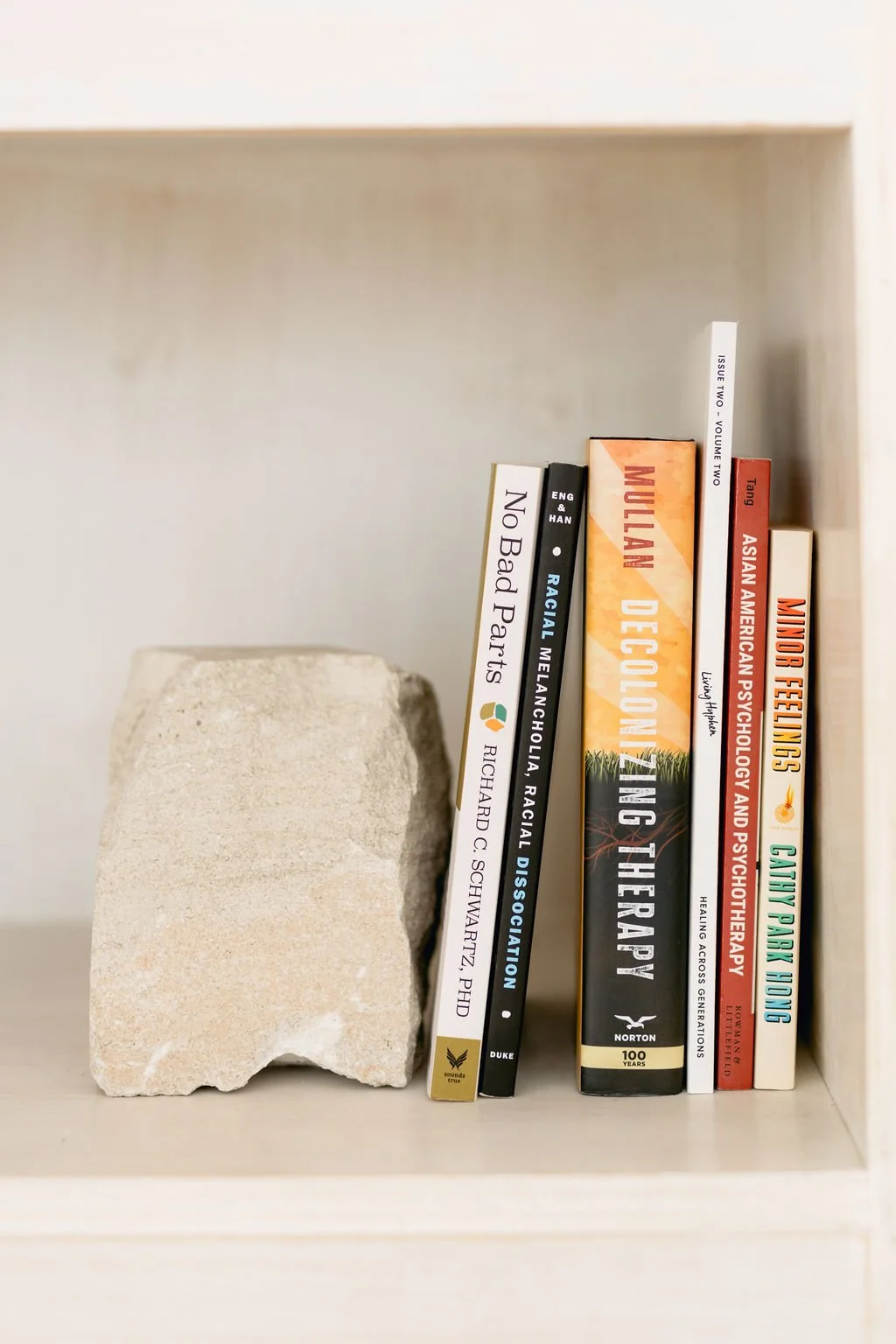
Learned Helplessness From Trauma and How to Rebuild Personal Agency
Trauma can create a long lasting sense of helplessness that follows you into adulthood. This article explores learned helplessness, why self determination feels difficult, and how small intentional actions rebuild personal agency and emotional control over time.
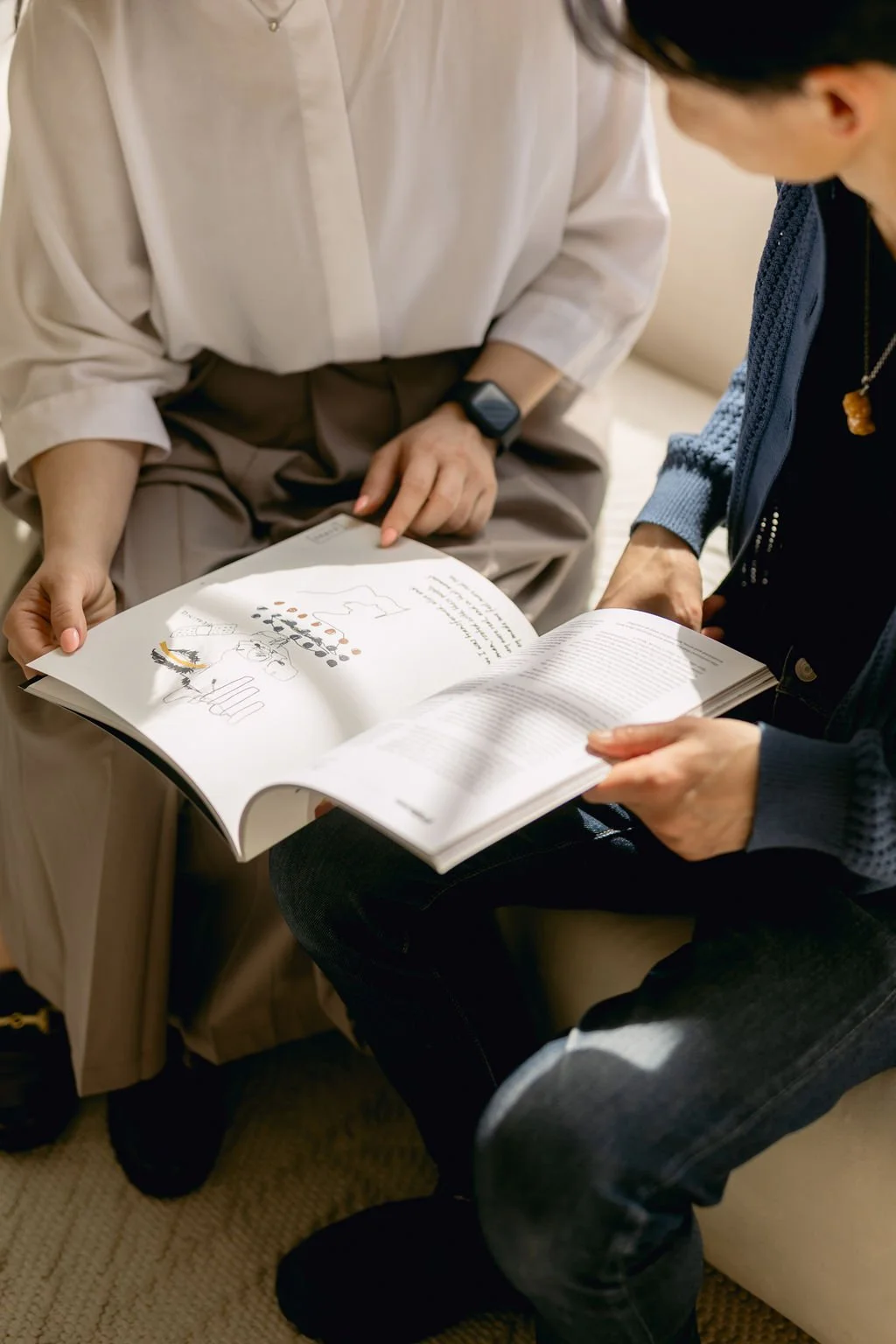
Workplace Bullying and Trauma: How People-Pleasing Leads to Powerlessness and Reclaiming Your Voice
Workplace bullying often does not begin with overt conflict, but with subtle patterns of people pleasing, fear of disapproval, and internalized powerlessness. This article describes how these dynamics can develop in professional environments and how trauma responses from earlier life experiences can shape workplace behaviour. It follows a real case example of shifting from approval seeking to internal authority, and explores how healing involves rebuilding a sense of agency, boundaries, and self-trust in relational power dynamics.
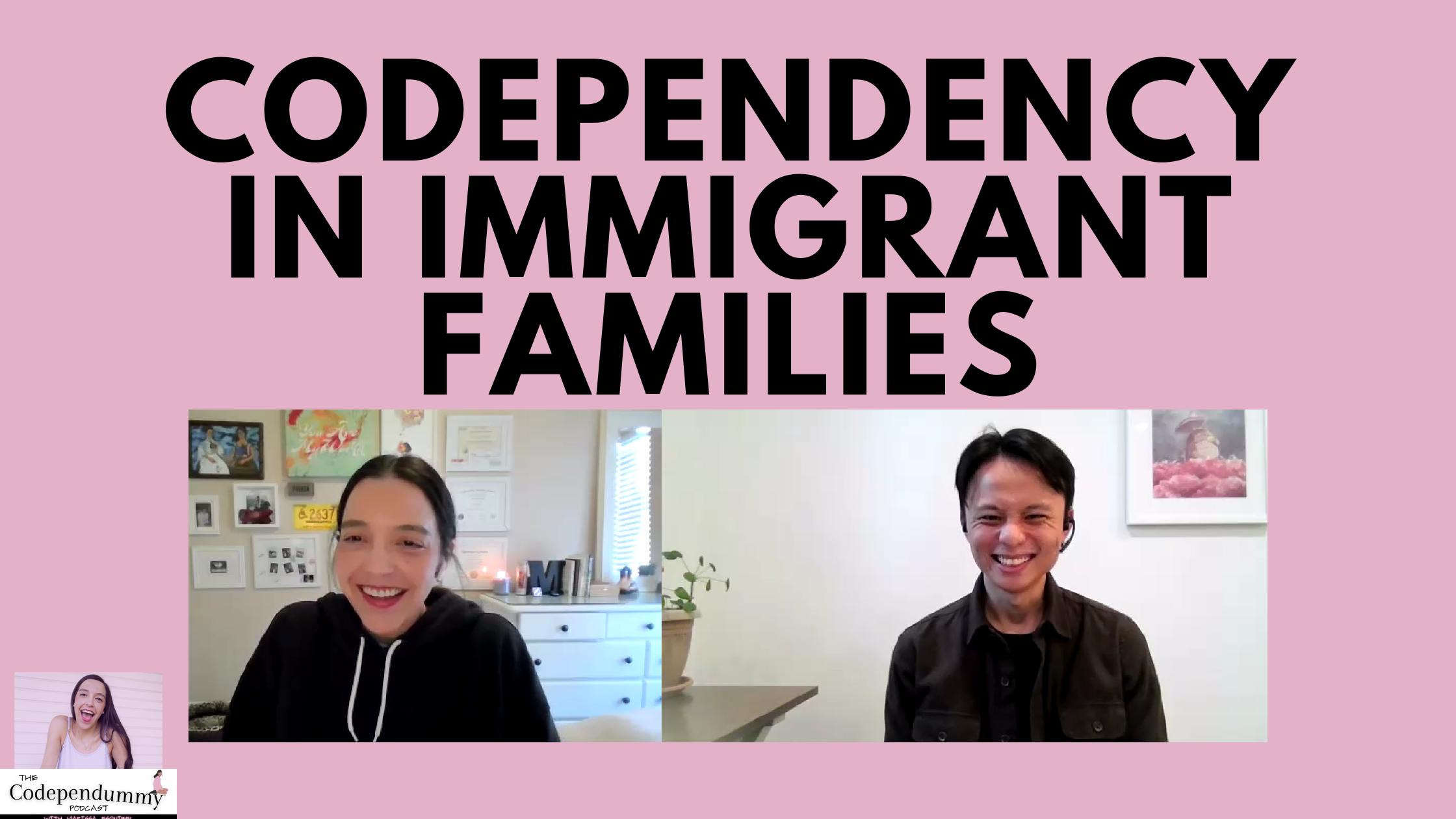
Codependency in Asian Immigrant Families: A Conversation With Harry Au
Many adult children of Asian immigrant families struggle with guilt, boundaries, and feeling responsible for their family’s emotions. In this podcast conversation, I explore how immigrant family dynamics can contribute to codependent patterns and how adult children can create healthier relationships while honoring their cultural values.